
A Smarter, Pilates Reformer-Based Approach to Physiotherapy Rehab in Markham

Rehabilitation is changing. Patients today are not just looking to get out of pain, they want to move better, feel stronger, and stay active long term. That shift has pushed physiotherapy toward more active, movement-based care models.
One approach gaining momentum is Pilates reformer rehabilitation. When used in a clinical setting, it becomes a powerful tool to guide recovery, rebuild strength, and improve control in a way that traditional exercises often cannot.
At Form & Function, this approach is built into our care model. Our rehab space includes a full tower reformer with upgraded stride systems, allowing our physiotherapy team to tailor each session to the individual in front of them.
What is Pilates Reformer Rehabilitation?
This is not a group class or general fitness session. It is a structured, physiotherapy-guided treatment.
The reformer uses a spring-based system that allows your physiotherapist to adjust resistance and support in real time. This makes it possible to:
- Control how much load your body is exposed to
- Guide movement safely through specific ranges
- Build strength while improving coordination and stability
Because of this, it works well across many stages of recovery, from early rehab to return-to-activity.
Why More Clinics Are Using It
There is a growing emphasis in physiotherapy on quality of movement rather than just isolated strength.
Reformer-based rehab fits well within that direction because it:
- Encourages full-body integration rather than single muscle focus
- Provides constant feedback through controlled resistance
- Bridges the gap between treatment and real-world movement
For those searching for options that combine Pilates and physiotherapy in Markham, this approach offers something more structured and clinically guided than traditional studio-based sessions.
What the Research Shows
Pilates-based rehabilitation has been studied across a number of conditions, especially when delivered under clinical supervision.
Common outcomes include:
- Improved core control and stability
- Reduction in low back and neck pain
- Better posture and movement awareness
- Improved pelvic floor coordination
- Increased functional strength
One of the biggest advantages is how adaptable it is. Exercises can be assisted, resisted, or progressed gradually depending on your condition.
Where It Works Best
Musculoskeletal Injuries
- Low back pain
- Neck and postural strain
- Shoulder, hip, and knee injuries
- Post-surgical recovery
Movement and Performance
- Runners returning from injury
- Athletes working on control and efficiency
- Individuals looking to prevent recurring issues
Women’s Health and Pelvic Health
This is one of the most valuable applications of reformer-based care.
It can support:
- Postpartum recovery
- Pelvic floor dysfunction
- Diastasis recti
- Prenatal and postnatal conditioning
The controlled environment allows for safe loading while coordinating breath, core, and pelvic floor activation. For many women, this creates a more comfortable and effective starting point compared to traditional gym exercises.
Who It May Not Be For
While highly effective, this approach is not always the first step for everyone.
It may not be ideal if:
- Pain levels are too high to tolerate guided movement
- You are in an acute inflammatory stage requiring more hands-on care
- Balance or neurological conditions limit safe participation
- You are only looking for a general fitness class rather than rehab
A proper assessment will help determine whether this fits your goals.
What to Expect at Form & Function

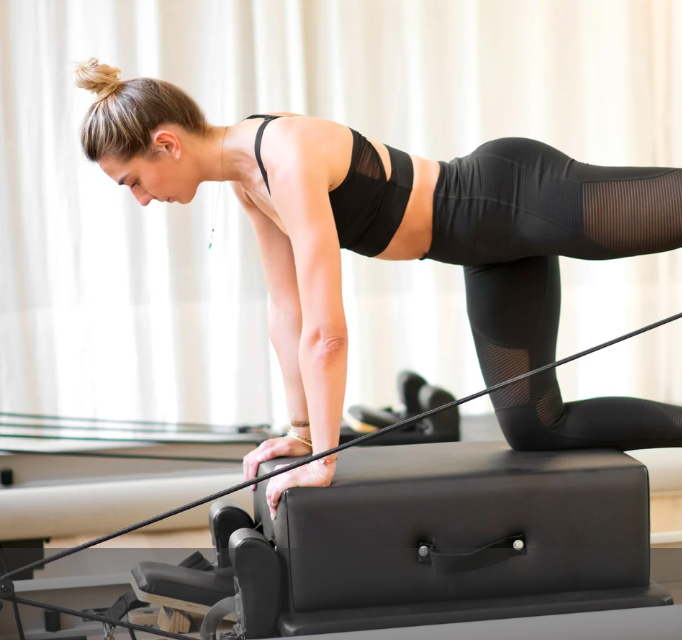
Reformer sessions are integrated directly into your physiotherapy plan.
Each visit includes:
- A focused assessment and goal setting
- Guided exercises on the reformer based on your needs
- Progressions as your strength and control improve
Session details:
- 45 to 60 minutes per session
- Comfortable clothing recommended, with a change of clothes
- One-on-one guidance from a physiotherapist
If the reformer aligns with your rehabilitation goals, it becomes part of your overall treatment plan rather than a separate service.
Why This Approach Matters
Many people get stuck between two phases: feeling better and actually moving well again.
This is where reformer-based physiotherapy can make a difference.
It helps you:
- Relearn movement patterns
- Build strength with control
- Transition back to daily life and activity with confidence
For patients exploring Pilates-informed rehab in Markham, the key difference is not the equipment itself, but how it is applied clinically.
Book Your Session
If you are curious whether this approach is right for you, the best place to start is with a proper assessment.
Book your session HERE:
References and Resources
- American Physical Therapy Association
https://www.apta.org/patient-care/evidence-based-practice-resources - Canadian Physiotherapy Association
https://physiotherapy.ca/resources - Journal of Orthopaedic & Sports Physical Therapy
https://www.jospt.org - National Institutes of Health
https://pubmed.ncbi.nlm.nih.gov/?term=pilates+low+back+pain - Pelvic Health Solutions
https://pelvichealthsolutions.ca - Systematic Review: Pilates and Low Back Pain
https://pubmed.ncbi.nlm.nih.gov/31048470/ - Systematic Review: Core Stability and Pilates Outcomes
https://pubmed.ncbi.nlm.nih.gov/28167167/
Try a Session
If you are not sure where to start, we can guide you through the process and build a plan that fits your body, your goals, and your stage of recovery.