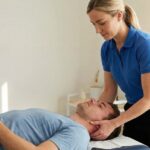
Osteopathic Treatment
Holistic care for total body health.
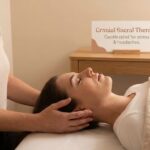
Cranial Sacral Therapy
Gentle relief for stress & headaches.
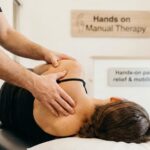
Hands on Manual Therapy
Hands-on pain relief & mobility.
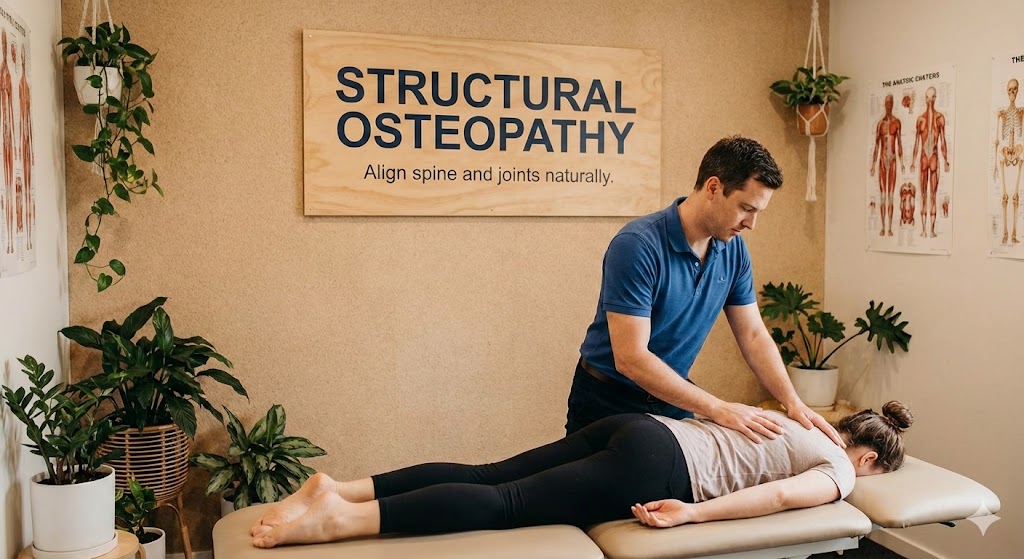
Structural Osteopathy
Align spine and joints naturally.

Visceral Osteopathy
Improve digestion & organ function.
Joint Mobilization Therapy
Restore joint movement & flexibility.
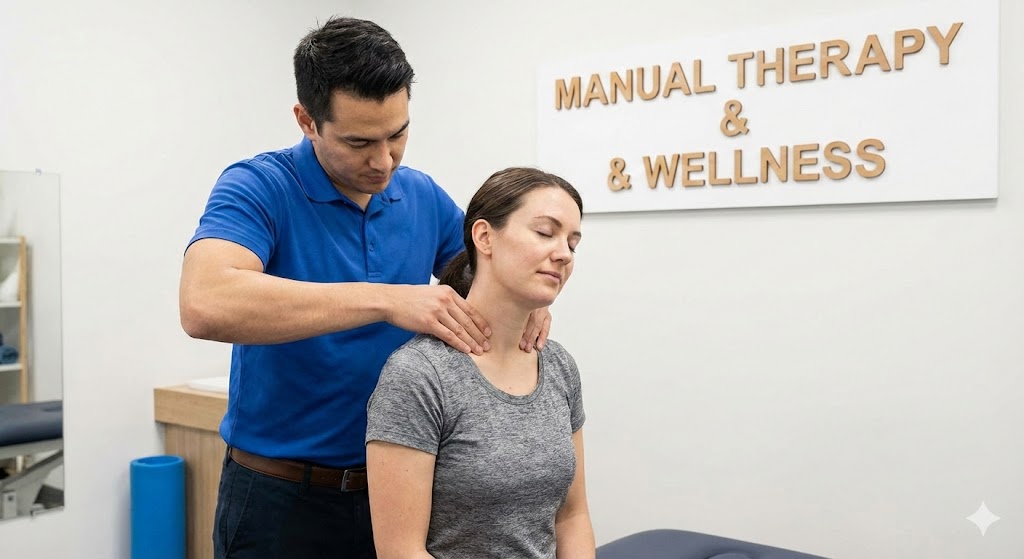
Manual Therapy for Neck Pain
Relieve stiffness & neck tension.
Postural Assessment & Correction
Fix alignment & prevent injury.


Peter Pakatchian
2 years ago
I go to Afshin at this location, and he has been amazing from the get-go gave me exercises to strengthen the area of treatment and keeps pushing the limits to bring my shoulder to full potential again.
Receptionist are great and friendly

Edpel John Alpas
2 years ago
Great clinic! Nice staff and convenient because of the direct billing to health insurance companies they offer. You don't have to shell out money when you make an appointment with them.

Leah K
2 years ago
I’ve been coming to Form and Function for a few years now and really like it! Michelle is my RMT and is the best!

Sam Atashin
2 years ago
Afshin has been helping me for many sports related injuries. Since he has athletic background, he has amazing understanding on how to treat injuries effectively.

Jacob Crowe
2 years ago

Francis Rocha
2 years ago

Alex Kan
2 years ago

Andrew McCurrie
2 years ago
My daughter pulled a muscle that was bothering her for weeks and stopping her doing stuff
When she was done, she felt great and caught up on a bunch of stuff.
I go there for massages. It loosens me up when I can’t move very much. They know what they are doing.

Dorsa Sadaghiani
2 years ago

Sisi L
2 years ago
Michelle Hu is amazing!i got a back injuries and was not able to sit up or move for almost 2 weeks, after 2 appointments i was able to start moving, and another 2 i was fixed!ever since i go once a month to prevent future injuries.

Christin Qanawati
2 years ago
I went into Form & Function with bad neck/shoulder pain. It was my first visit and the minute I walked in, I was greeted by the lovely and sweet receptionist Carla 🥹💕 and then had a wonderful experience with Afshin (physiotherapy) who was very knowledgeable, professional and skilled. All around, an amazing team! 🙏🏽 thank you sooo much! Looking forward to my next appointment ☺️

Nicolo Tiu
2 years ago
Best physiotherapy in markham!

Antonella K
2 years ago
Dr. Chris is very knowledgeable and tries his best to make sure your needs are addressed. My headaches and pain have subsided substantially thanks to him. Highly recommend.

Victor Young
2 years ago

Ray Parker
2 years ago
I have been going to this clinic for about 4 years and I’ve really enjoyed the experience. They have experienced RMTs and physiotherapists. Never had any issues with direct billing and they have been able to accommodate my schedule/ rescheduling request on multiple occasions

Steven Lim
2 years ago
Hands down Chris is the best Chiropractor I ever had. I come with different set of problems and each one is treated.

Saurabh Yadav
2 years ago

Kyle Yamasaki
2 years ago
Came into Form and Function with stiff shoulder and neck. I was lucky to get an appointment with Afshin who was extremely helpful and professional. After about three treatments my neck and shoulders are feeling much better. Highly recommend this physiotherapy!

Inchara T
2 years ago
I went with a bad catch in my neck and was so lucky to get appointments. The session was so useful and relieved me from pain. I had struggled for 3 days with unbearable pain in my neck. The massage helped me with my posture and stretch my neck. I am so happy with their service, very polite, professional and experts at their job.

Thadshayanan Yogarasa
2 years ago

N D
2 years ago

Stephen H
2 years ago

Alejandro Rossetti
2 years ago
Great treatment. Friendly and knowledgeable staff!

Angelo Perera
2 years ago
Dr. Jimmy is very supportive and encourages you to push yourself to be better.

Michael S
2 years ago
After dealing with a nagging groin injury for what feels like forever, I decided to give Form & Function a shot. And boy, am I glad I did! This place has been a game-changer. The personalized program they put together for me has been way more effective than any physio I've tried in the past. Seriously, if you're struggling with a long-term injury like mine, give Form & Function a try. You won't regret it.

Joe Yee
3 years ago
Attlee Lam is a true professional. Did an amazing job relieving my pain. Would buy again 🤣

Roland Fernandes
3 years ago
Dr Jim is an excellent Chiropractic practitioner. I recently sustained a serious cycling injury. Dr Jim treated me and now I am completely out of pain and on my road to total recovery.
I am so grateful for his expertise and knowledge in my treatment.
Thank you Dr. Jim!

Lumi Marin
3 years ago

Rich Gaasenbeek
3 years ago
I had two treatments with Afshin to fix a bad case of tennis elbow, and combined with diligently doing the exercises he assigned me, the problem was cured after two sessions. Amazing!

Jennifer Feng
3 years ago
I am an avid volleyball player with multiple injuries. Here I’m always taken care of by this amazing team of people!

Steve Kaske
3 years ago
Attlee did an amazing job!!! Receptionist was very friendly!! Ill be back!! An amazing 1st time massage experience !!!

Montana Dallas
3 years ago
Dr. Chris was extremely hard working and knowledgeable. My muscle gave him a lot of resistance but he worked through it and gave me some much needed relief. He answered all of my many questions clearly and concisely. Great first experience !

Grey M
3 years ago
Best massage I have ever found. great staff, friendly and they know me by name. I never feel like they are taking my business for granted. I can't say enough good things about them. Treat me like family.

Mohamed Maslati
3 years ago
I started in Form & Function July 2023, seeing Afshin (physiotherapy), Chris (chiropractic), and Ada (RMT) for my severe low back pain. I had a great assessment and treatment, resulted in a significant improve to my condition. I sincerely appreciate their service and effort, and I highly recommend it for all.

kay asemota
3 years ago
I had an amazing and relaxing massage with RMT Ada today. My tight and tensed back muscles are relaxed now. I booked my next session with her immediately after so I wouldn’t have a longer wait time.