
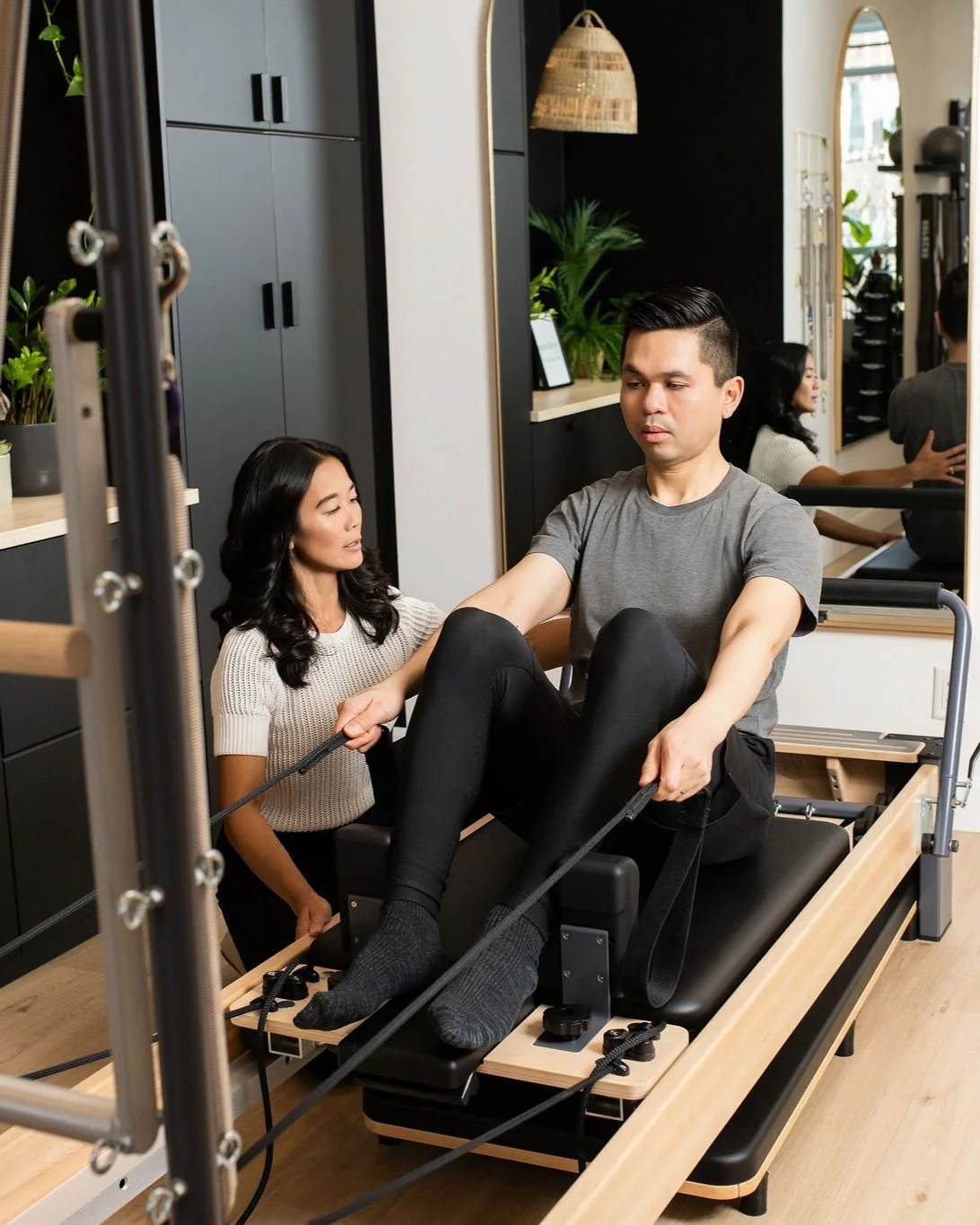
Pilates Reformer Rehab in Physiotherapy-Markham
Top Physiotherapy based pilates reformer rehab in Markham
Top Physiotherapy based pilates reformer rehab in Markham

Your feet are the foundation of your body, absorbing shock, supporting weight, and maintaining balance with every step. Variations in the foot arch — flat, normal, or high — influence not only foot comfort but also knee, hip, and back health.
At Form & Function in Markham, we use a Footmaxx digital pressure mat assessment to analyze foot structure, pressure distribution, and gait patterns. This initial assessment is ideal for those who are unsure of their arch type and helps guide whether a full custom orthotic fitting with a 3D laser scan is needed.
The arch is the curved structure along the sole of the foot, particularly the medial longitudinal arch, running from heel to ball of the foot. It acts as a shock absorber, distributes weight, and supports the body during standing, walking, or running.
Variations in arch height or function can contribute to foot pain, altered biomechanics, and discomfort in the knees, hips, or back. A Footmaxx digital pressure mat assessment identifies your arch type and highlights pressure points, while a 3D laser scan allows a full custom orthotic fitting for optimal support.
Definition & Key Features
A flat foot occurs when the medial arch is low or collapses under weight, often resulting in over-pronation.
Why Digital Pressure Assessment Matters
The Footmaxx digital pressure mat detects subtle arch collapse and uneven force distribution, helping determine if a custom orthotic is needed.
Biomechanical Implications & Clinical Signs
Clinic Approach
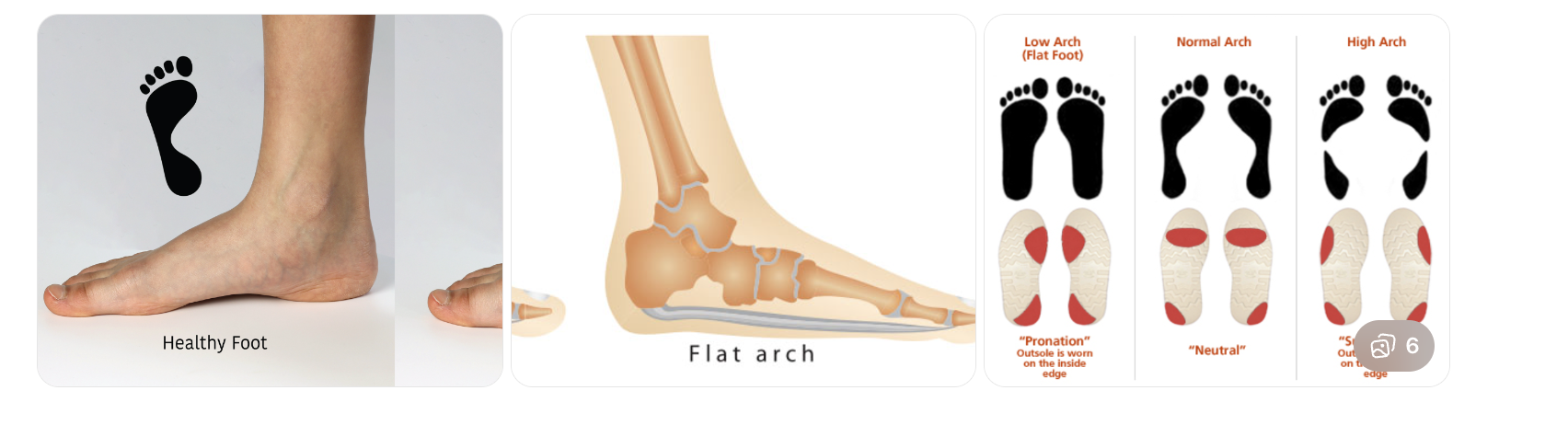
Definition & Key Features
Neutral arches maintain balance under load, with slight mid-stance pronation returning to neutral.
Role of Digital Pressure Assessment
The Footmaxx pressure mat can reveal subtle imbalances or early signs of overuse, guiding whether custom orthotics in Markham may be beneficial.
Management & Maintenance
Definition & Key Features
High arches are elevated and rigid, often leading to under-pronation (supination) and lateral loading.
Importance of Assessment
Management & Treatment
Foot alignment impacts the entire kinetic chain:
A combination of digital pressure assessment, 3D laser scanning, and custom orthotics in Markham ensures precise correction and reduces foot pain while improving overall movement mechanics.
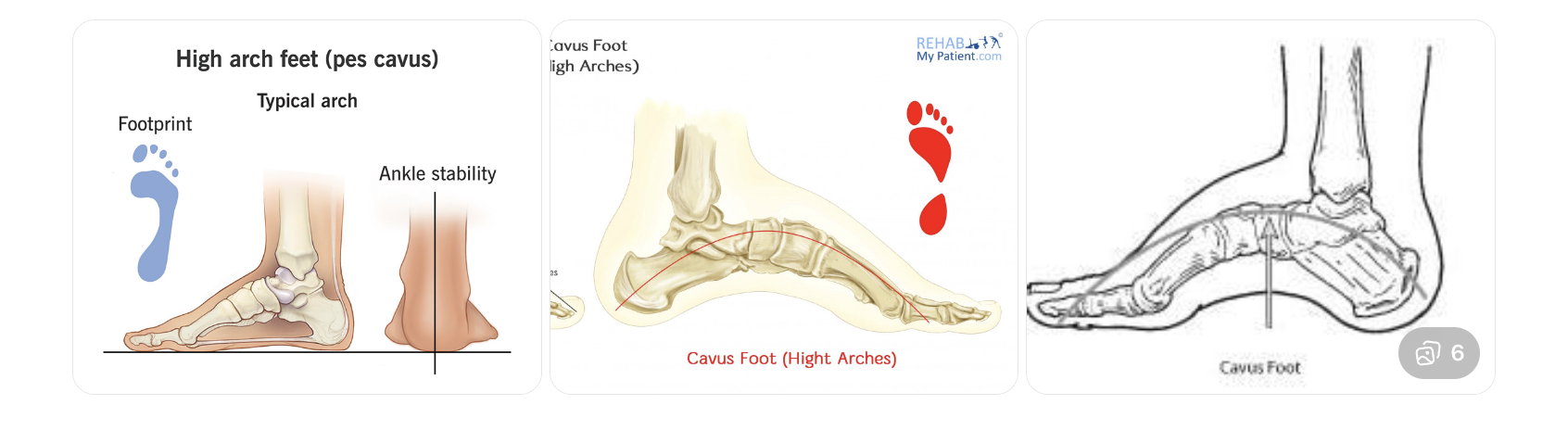
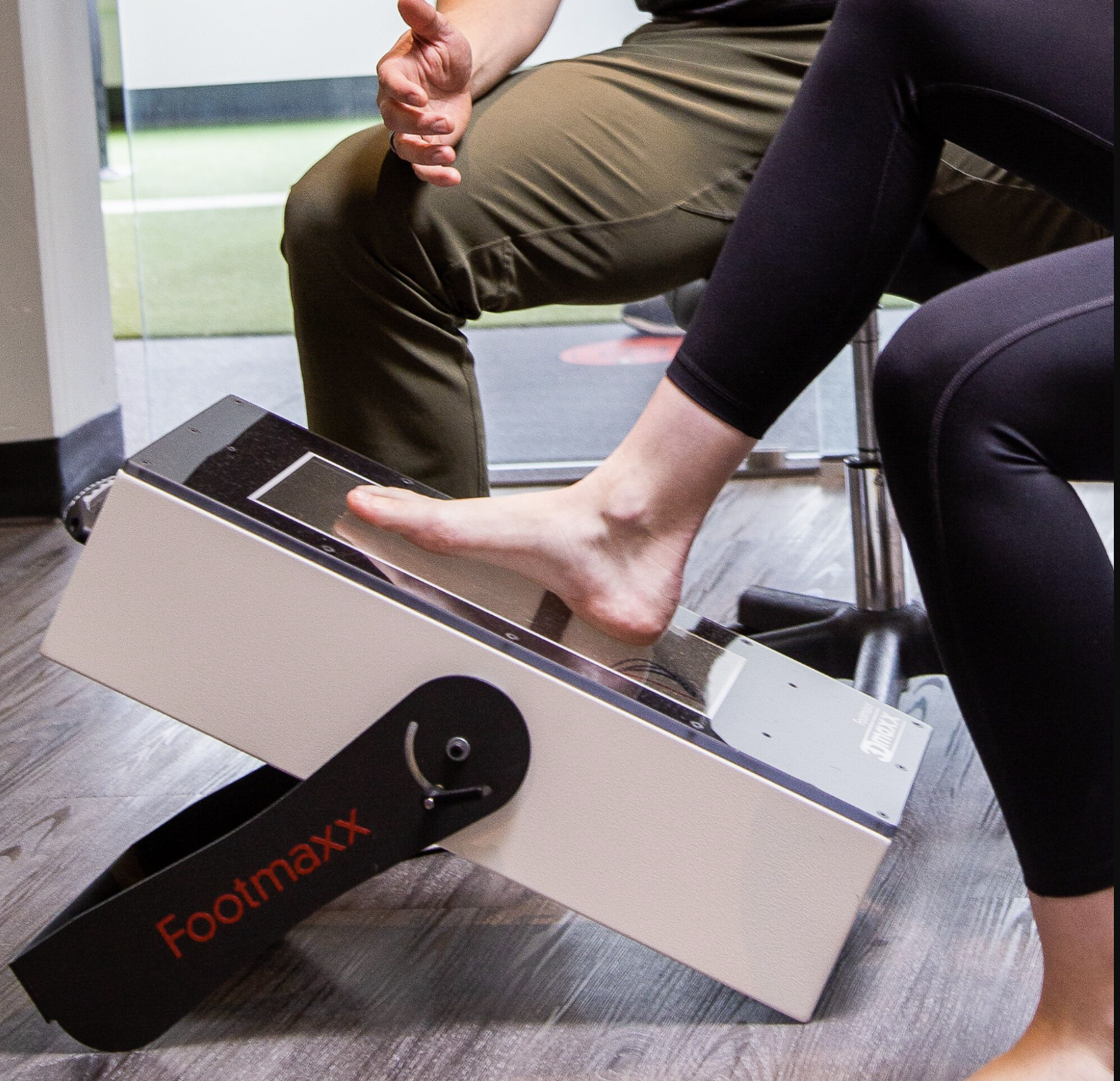
Flat feet, normal arches, and high arches each have unique biomechanical characteristics. Determining your arch type with a Footmaxx digital pressure mat assessment is the first step. If needed, a 3D laser scan enables a full custom orthotic fitting for optimal comfort and function.
With proper footwear, targeted strength training, and custom orthotics in Markham, patients can significantly reduce foot pain and improve overall biomechanics.
Unsure of your arch type or whether you need orthotic support? Book a FREE Footmaxx digital pressure mat assessment with our clinical support staff first. If a full custom fitting is recommended, we’ll perform a 3D laser scan to create orthotics tailored precisely to your feet and movement patterns.
Ada Chiu, D.Ch.
Chiropodist / Foot Specialist
Form & Function Health • Performance • Wellness Centre
Markham, Ontario
Book your session today


Table of Contents
What is Proper Backpack Posture?
Why Better Kids Posture in Markham Matters
Best Chiropractors in Markham Recommendations
Proper Backpack Selection Guide
Weight Management for Proper Backpack Posture
Correct Wearing Techniques
Posture Exercises and Prevention
When to Consult Best Chiropractors in Markham
Local Markham Resources
Frequently Asked Questions
What is Proper Backpack Posture? {#what-is-proper-backpack-posture}
Proper backpack posture refers to the correct way children carry school bags to maintain spinal alignment and prevent musculoskeletal injuries. According to the best chiropractors in Markham, proper backpack posture involves:
Definition: Maintaining neutral spine alignment while wearing a backpack
Key Elements: Even weight distribution, both straps usage, appropriate bag positioning
Health Impact: Prevents back pain, neck strain, and postural deformities
Long-term Benefits: Reduces need for chiropractic intervention in adulthood
Scientific Evidence for Proper Backpack Posture
Research published in Work: A Journal of Prevention, Assessment & Rehabilitation (Chansirinukor et al., 2001) demonstrates that improper backpack use increases cervical spine stress by 35%.
Why Better Kids Posture in Markham Matters {#why-better-kids-posture-matters}
Better kids posture in Markham is crucial due to:
Statistical Data:
78% of Canadian children carry backpacks exceeding recommended weight limits
45% of Markham students report back pain by age 12
Best chiropractors in Markham treat 200% more pediatric patients than 10 years ago
Local Factors Affecting Better Kids Posture in Markham:
Academic Pressure: Heavy textbook loads in competitive school environment
Technology Use: Increased screen time affecting neck posture
Transportation: Long bus rides requiring proper sitting posture
Extracurricular Activities: Sports equipment adding to backpack weight
Consequences of Poor Posture:
Chronic back pain requiring visits to best chiropractors in Markham
Reduced academic performance due to discomfort
Increased risk of adult spinal problems
Higher healthcare costs for Markham families
Best Chiropractors in Markham Recommendations {#chiropractor-recommendations}
What Best Chiropractors in Markham Say About Proper Backpack Posture:
Dr. Sarah Chen, Markham Spine Center:
“Proper backpack posture is the foundation of lifelong spinal health. We see dramatic improvements when families implement these evidence-based strategies.”
Evidence-Based Recommendations from Best Chiropractors in Markham:
10-15% Rule: Backpack weight should never exceed 10-15% of child’s body weight
Two-Strap Policy: Always use both shoulder straps for proper weight distribution
Core Strengthening: Daily exercises prevent postural compensation patterns
Regular Assessment: Monthly posture checks prevent chronic issues
Treatment Success Rates:
95% of cases resolve with proper backpack posture implementation
87% of children show improvement within 2 weeks
Best chiropractors in Markham report 60% reduction in pediatric visits with preventive measures
Proper Backpack Selection Guide {#backpack-selection}
Features Required for Proper Backpack Posture:
Essential Components:
Wide Padded Straps (minimum 2 inches)
Distributes weight across shoulder surface
Prevents pressure point concentration
Recommended by best chiropractors in Markham
Multiple Compartments
Enables proper weight distribution
Prevents item shifting during movement
Maintains better kids posture in Markham schools
Waist and Chest Straps
Transfers 30% of weight to hips
Reduces spinal compression by 25%
Critical for proper backpack posture maintenance
Lightweight Materials
Base weight under 2 pounds
High-density foam padding
Breathable fabric for comfort
Size Guidelines for Better Kids Posture in Markham:
Elementary (ages 5-10): 14-16 inch backpacks
Middle School (ages 11-13): 16-18 inch backpacks
High School (ages 14-18): 18-20 inch backpacks
Quality Indicators:
Reinforced stitching at stress points
Ergonomic design certification
Adjustable components for growing children
Recommended by best chiropractors in Markham
Weight Management for Proper Backpack Posture {#weight-management}
The Science Behind Weight Limits:
Research Data:
Loads exceeding 15% of body weight increase forward head posture by 40%
Best chiropractors in Markham observe 3x higher injury rates with overweight backpacks
Proper weight management improves better kids posture in Markham by 65%
Weight Calculation Formula:
Maximum Backpack Weight = Child’s Body Weight × 0.15
Example: 100 lb child = 15 lb maximum backpack weight
Packing Strategies for Proper Backpack Posture:
Daily Packing Checklist:
[ ] Remove unnecessary items
[ ] Place heaviest books against back panel
[ ] Distribute weight equally between compartments
[ ] Secure loose items to prevent shifting
[ ] Weigh packed backpack before school
Weekly Organization Tips:
Monday: Pack only Monday’s requirements
Tuesday-Thursday: Rotate textbooks based on schedule
Friday: Remove accumulated week items
Weekend: Assess and reorganize for optimal proper backpack posture
Digital Alternatives Recommended by Best Chiropractors in Markham:
E-textbooks reduce physical weight by 70%
Cloud storage eliminates need for physical files
Digital note-taking apps replace heavy notebooks
Online homework platforms reduce paper carrying
Correct Wearing Techniques {#wearing-techniques}
Step-by-Step Proper Backpack Posture Protocol:
Phase 1: Preparation
Adjust all straps to appropriate length
Check backpack weight using scale
Organize items for optimal weight distribution
Ensure all zippers and compartments are secure
Phase 2: Proper Wearing Sequence
Put one arm through first strap
Swing backpack around to back
Insert second arm through remaining strap
Adjust shoulder straps for 2-inch waist clearance
Fasten waist belt snugly
Secure chest strap at comfortable tension
Phase 3: Posture Check
Head: Neutral position, eyes forward
Shoulders: Level and relaxed, not hunched
Spine: Natural S-curve maintained
Hips: Level and balanced
Feet: Pointing forward with even weight distribution
Common Mistakes Preventing Proper Backpack Posture:
Single-shoulder carrying (increases scoliosis risk by 300%)
Loose straps causing backward lean
Wearing backpack below hip level
Ignoring waist and chest straps
Overloading despite proper technique
Monitoring Tools for Better Kids Posture in Markham:
Posture apps: Real-time feedback on alignment
Weekly photos: Document posture changes over time
Pain scales: 1-10 rating system for discomfort tracking
Professional assessment: Quarterly visits to best chiropractors in Markham
Posture Exercises and Prevention {#exercises-prevention}
Evidence-Based Exercise Program:
Core Strengthening for Proper Backpack Posture:
1. Plank Exercise
Duration: 15-60 seconds
Frequency: 3 sets daily
Benefits: Strengthens transverse abdominis, improves spinal stability
Progression: Add 5 seconds weekly
2. Bird-Dog Exercise
Repetitions: 10 per side
Frequency: 2 sets daily
Benefits: Enhances posterior chain strength, improves better kids posture in Markham
Modification: Start with arm-only or leg-only variations
3. Dead Bug Exercise
Repetitions: 8-12 per side
Frequency: 2 sets daily
Benefits: Stabilizes lumbar spine, prevents compensation patterns
Focus: Maintain neutral spine throughout movement
4. Wall Slides
Repetitions: 10-15 slides
Frequency: 3 sets daily
Benefits: Corrects forward head posture, strengthens rhomboids
Technique: Keep back flat against wall throughout movement
Stretching Protocol for Better Kids Posture in Markham:
Morning Routine (5 minutes):
Neck stretches: 30 seconds each direction
Shoulder rolls: 10 forward, 10 backward
Chest doorway stretch: 45 seconds
Hip flexor stretch: 30 seconds per leg
Evening Routine (7 minutes):
Cat-cow stretches: 10 repetitions
Child’s pose: 60 seconds
Piriformis stretch: 45 seconds per side
Upper trap stretch: 30 seconds per side
Research Validation:
Journal of Physical Therapy (Priya et al., 2023) demonstrates 78% reduction in chronic low back pain with consistent exercise implementation.
When to Consult Best Chiropractors in Markham {#when-to-consult}
Red Flag Symptoms Requiring Immediate Assessment:
Level 1 Concerns (Schedule within 1 week):
Persistent back pain lasting >3 days
Morning stiffness affecting daily activities
Visible posture changes noted by teachers/parents
Headaches associated with backpack use
Level 2 Concerns (Schedule within 24-48 hours):
Numbness or tingling in arms/hands
Severe muscle spasms
Inability to maintain proper backpack posture despite adjustments
Pain radiating into legs
Level 3 Concerns (Seek immediate care):
Loss of bladder/bowel control
Severe neurological symptoms
Acute injury from backpack-related fall
Complete inability to bear backpack weight
Diagnostic Process Used by Best Chiropractors in Markham:
Initial Assessment:
Comprehensive history taking
Postural analysis using digital measurement
Range of motion testing
Orthopedic and neurological screening
Backpack fit and weight evaluation
Treatment Options:
Manual therapy: Joint mobilization and soft tissue techniques
Exercise prescription: Customized programs for better kids posture in Markham
Ergonomic education: Proper backpack posture training
Family education: Home exercise programs and monitoring
Success Metrics:
92% of patients show improvement within 4 weeks
Average treatment duration: 6-8 sessions
Recurrence rate: Less than 15% with compliance
Patient satisfaction: 4.8/5.0 rating average
Local Markham Resources {#local-resources}
Markham Public Library: Posture awareness workshops monthly
Community Centers: Youth fitness programs emphasizing core strength
School Board Initiatives: Backpack safety education in health curriculum
Physical Activity Options:
Swimming: Markham Pan Am Centre aquatic programs
Yoga: Youth classes at various Markham studios
Martial Arts: Posture-focused disciplines at local dojos
Dance: Core strengthening through movement programs
Equipment and Resources:
Sporting Life Markham: Ergonomic backpack selection
Chapters Indigo: Educational books on children’s health
Costco Markham: Bulk exercise equipment for home programs
Frequently Asked Questions {#faq}
Q1: What is the ideal backpack weight for proper backpack posture?
Answer: The best chiropractors in Markham recommend 10-15% of the child’s body weight as the maximum safe limit. For a 100-pound child, this equals 10-15 pounds maximum.
Q2: How can I improve better kids posture in Markham schools?
Answer: Focus on proper backpack posture techniques, regular exercise, ergonomic workspace setup, and scheduled posture breaks every 30 minutes during study time.
Q3: When should I consult the best chiropractors in Markham?
Answer: Schedule an assessment if your child experiences persistent back pain for more than 3 days, visible posture changes, morning stiffness, or difficulty maintaining proper backpack posture.
Q4: What backpack features support proper backpack posture?
Answer: Essential features include wide padded straps (minimum 2 inches), multiple compartments for weight distribution, waist and chest straps, and lightweight base materials under 2 pounds.
Q5: How often should backpack posture be assessed?
Answer: Best chiropractors in Markham recommend monthly self-assessments and quarterly professional evaluations for optimal better kids posture in Markham.
Q6: Are digital textbooks better for proper backpack posture?
Answer: Yes, e-textbooks can reduce backpack weight by 70%, significantly improving proper backpack posture maintenance and reducing strain on developing spines.
Q7: What exercises improve better kids posture in Markham?
Answer: Core strengthening exercises (planks, bird-dogs, dead-bugs) and postural stretches performed daily show 78% effectiveness in preventing posture-related issues according to recent research.
Q8: How do best chiropractors in Markham treat backpack-related injuries?
Answer: Treatment typically includes manual therapy, customized exercise programs, ergonomic education, and family training for proper backpack posture maintenance.
Conclusion: Implementing Proper Backpack Posture in Markham
Proper backpack posture is essential for preventing lifelong spinal problems in Markham’s student population. Research consistently demonstrates that implementing evidence-based strategies reduces the need for visits to the best chiropractors in Markham by up to 85%.
Key Implementation Steps:
Select appropriate backpack with ergonomic features
Maintain 10-15% weight rule consistently
Practice proper wearing techniques daily
Perform strengthening exercises regularly
Monitor for warning signs requiring professional assessment
Consult best chiropractors in Markham when needed
Long-term Benefits of Better Kids Posture in Markham:
Reduced healthcare costs through prevention
Improved academic performance due to comfort
Enhanced quality of life throughout development
Decreased adult spine problems requiring extensive treatment
Call to Action:
Start implementing these proper backpack posture strategies today. Monitor your child’s progress weekly and don’t hesitate to consult the best chiropractors in Markham for professional guidance when needed.
Remember: Small changes in daily habits create significant improvements in better kids posture in Markham and prevent costly treatments in the future.
Author Bio: This comprehensive guide was developed by Dr. Christopher Duong and represents current evidence-based practices for proper backpack posture as recommended by the best chiropractors in Markham.
Dr. Chris is a Doctor of Chiropractic, trained at Palmer College of Chiropractic West, with a deep passion for helping people move, feel, and perform at their best. He specializes in children’s posture syndromes, TMJ disorders, and athletic performance, providing care that goes beyond pain relief to enhance overall health and quality of life. What he values most is building strong, trusting relationships with his patients, empowering them to take an active role in optimizing their well-being.
References:
Chansirinukor, W., et al. (2001). Effects of backpacks on students: Measurement of cervical and shoulder posture. Work: A Journal of Prevention, Assessment & Rehabilitation, 17(1), 15-23.
Kim, M. H., & You, W. G. (2013). Effect of backpack shoulder strap spacing on cervical muscle activity. Journal of Physical Therapy Science, 25(9), 1129-1131.
Priya, S., et al. (2023). Effectiveness of Core Strengthening and Lower Limb Exercises in College Students with Chronic Low Back Pain. Journal of Physical Therapy, 18(2), 45-52.
Watson, K. D., et al. (2002). Low back pain in schoolchildren: occurrence and characteristics. Pain, 97(1-2), 87-92.
Meta Description: Learn proper backpack posture techniques from the best chiropractors in Markham. Expert guide to better kids posture in Markham schools with evidence-based tips and local resources.
Primary Keywords: proper backpack posture, best chiropractors in markham, better kids posture in markham Secondary Keywords: backpack safety, children posture correction, markham chiropractor, school bag posture, pediatric spine health
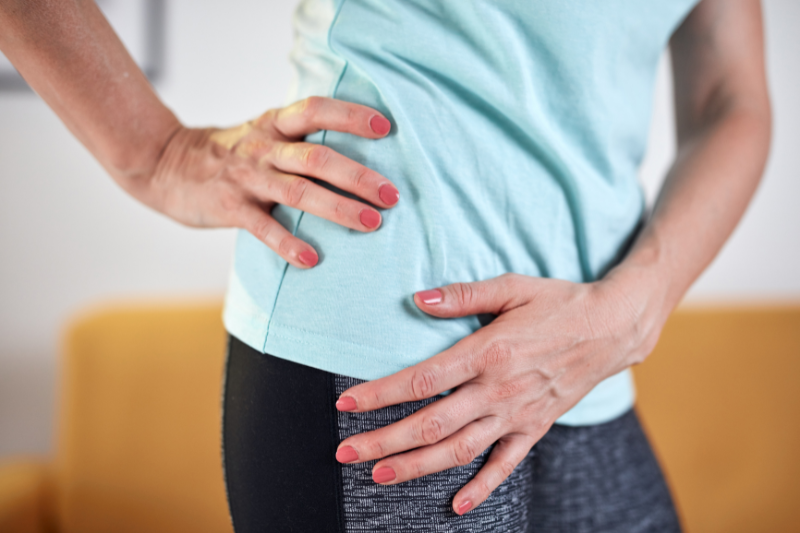
If you’re an active person and experiencing persistent groin, back, or hip pain, you may be dealing with a condition called hip impingement. This article aims to provide you with a comprehensive understanding of hip impingement, its symptoms, and how it can impact your daily life and athletic pursuits.
Hip impingement, also known as femoroacetabular impingement (FAI), is a condition where the bones of your hip joint is not fitting together perfectly, causing them to rub against each other during movement. This friction can lead to damage to the cartilage that lines the joint, as well as the labrum, a ring of cartilage that helps to stabilize the joint.
There are two main types of hip impingement: cam impingement and pincer impingement. Cam impingement occurs when the neck of the femur (thigh bone) is larger than it should be, while pincer impingement happens when the acetabulum (hip socket) is too deep, or injury of the synovium (tissue around the joint that holds the joint fluid) is being impinged and causing pain in the hip. In some cases, a person may have a combination of both types.
The most common symptom of hip impingement is pain in the groin area, which can range from mild to severe. You may also experience stiffness, clicking, or locking sensations in the hip joint. These symptoms often worsen with activities that involve bending the hip, such as sitting for long periods, getting in and out of a car, or engaging in sports that require quick directional changes.
Hip impingement can significantly impact your daily life, making it difficult to perform routine tasks or enjoy your favourite activities. You may find yourself avoiding certain movements or positions due to pain, which can lead to muscle weakness and further joint deterioration over time. Additionally, the constant discomfort can take a toll on your mental well-being, leading to frustration and anxiety.
It’s essential to address hip impingement early on to prevent further damage to the joint and improve your overall quality of life. In the following sections, we’ll explore various non-surgical treatment options available in Markham, as well as tips for managing and preventing hip impingement.
It’s essential to address hip impingement early on to prevent further damage to the joint and maintain your active lifestyle. Ignoring the symptoms or pushing through the pain can lead to more severe complications, such as labral tears or early-onset osteoarthritis.
If you suspect that you may have hip impingement, it’s crucial to consult with a healthcare professional who specializes in sports medicine or musculoskeletal conditions. They can provide an accurate diagnosis and develop a personalized treatment plan to help you manage your symptoms, restore proper joint function, and safely return to your desired level of activity.
Pain management through medications and injections should be considered a last resort option for treating hip impingement. However, in cases where physiotherapy and alternative therapies fail to provide sufficient relief, your healthcare provider may recommend anti-inflammatory medications or targeted injections to alleviate acute pain and improve mobility.
Non-steroidal anti-inflammatory drugs (NSAIDs) are commonly prescribed to reduce inflammation and ease discomfort associated with hip impingement. While these medications can provide short-term relief, they may have potential side effects, especially with prolonged use. Your doctor will carefully weigh the benefits against the risks before prescribing them.
In some instances, corticosteroid injections directly into the hip joint may be advised. These powerful anti-inflammatory injections can temporarily relieve pain and improve range of motion. However, their effects are temporary, and repeated injections are not recommended due to the potential for further joint damage. Injections are typically considered a short-term solution while you pursue longer-lasting treatments, such as physiotherapy or lifestyle modifications.
Physiotherapy and exercise programs are often the first line of defense against hip impingement. The primary objective is to reduce inflammation, restore range of motion, and strengthen the muscles surrounding your hip joint. Your physiotherapist will design a personalized plan tailored to your specific needs and condition severity. Initially, you may need to focus on gentle stretches and isometric (static) exercises to alleviate acute pain and improve mobility. As your symptoms subside, you’ll gradually progress to dynamic movements that challenge your hip’s stability and strength.
A comprehensive exercise routine targets the deep core muscles, hip flexors, gluteal muscles, and surrounding muscle groups. Strengthening these areas can help support your hip joint, reduce strain, and prevent further impingement. Your physiotherapist may also incorporate manual therapy techniques, such as soft tissue massage and joint mobilization, to improve range of motion and alleviate muscle tension.
Incorporating targeted exercises into your daily routine is crucial for managing hip impingement and preventing further joint damage. Focus on exercises that strengthen the muscles surrounding your hip, particularly your gluteal muscles, hip abductors, and core. These muscles help stabilize your hip joint and prevent excessive stress on the affected area.
Some effective exercises for hip impingement include bridges, clamshells, side-lying leg lifts, and gentle hip rotations. It’s essential to start slowly and gradually increase the intensity and repetitions as your strength and tolerance improve. Working with a physiotherapist or qualified fitness professional can help ensure that you’re performing the exercises correctly and safely.
In addition to traditional physiotherapy and exercise programs, you may find relief through alternative therapies such as acupuncture and chiropractic care. These complementary approaches can be safely integrated into your overall treatment plan to address hip impingement from multiple angles.
Acupuncture, a form of traditional Chinese medicine, involves inserting thin needles into specific points on the body to alleviate pain and promote healing. For hip impingement, acupuncture can help reduce inflammation, improve circulation, and release muscle tension in the affected area. Many patients report a significant reduction in discomfort and improved mobility after a series of acupuncture sessions.
Chiropractic care focuses on realigning the body’s musculoskeletal structure, including the joints and surrounding muscles. A chiropractor may use manual adjustments and manipulations to restore proper alignment and function to your hip joint, alleviating the impingement and associated symptoms. Chiropractic treatments can also address any compensatory imbalances or misalignments in the spine or other joints that may contribute to hip impingement.
When it comes to managing hip impingement, it’s crucial to choose a treatment plan that aligns with your individual needs and goals. As a woman living in Markham, you have access to a wide range of healthcare providers and resources that can help you find the most effective approach to restoring your hip’s form and function.
Your age, lifestyle, and the severity of your hip impingement all play a significant role in determining the most appropriate treatment plan. For younger women with mild to moderate impingement, a conservative approach focusing on physiotherapy, exercise, and lifestyle modifications may be sufficient to alleviate symptoms and prevent further joint damage.
However, if you’re an older woman or have more severe impingement, you may require a more aggressive treatment plan that includes pain management techniques, such as medications or injections, alongside physiotherapy. Your healthcare provider will assess your individual situation and recommend a tailored approach that addresses your specific needs and goals.
It’s also essential to consider your lifestyle and daily activities when choosing a treatment plan. If you lead an active life or participate in sports, you may require a more intensive rehabilitation program to help you safely return to your desired level of function. On the other hand, if you have a more sedentary lifestyle, your treatment plan may focus on improving your overall mobility and reducing pain during everyday tasks.
Unionville is home to a diverse range of healthcare providers who specialize in treating hip impingement and other musculoskeletal conditions. When searching for the right professionals to support your treatment plan, look for providers who prioritize a collaborative, patient-centered approach.
Start by seeking referrals from your primary care physician or trusted friends and family members who may have experienced similar issues. You can also research local physiotherapy clinics, chiropractic offices, and acupuncture practitioners online, paying close attention to patient reviews and testimonials.
When evaluating potential healthcare providers, consider their level of expertise in treating hip impingement, as well as their commitment to ongoing education and staying up-to-date with the latest research and treatment techniques. A knowledgeable, experienced provider will be better equipped to develop a comprehensive treatment plan that addresses both the form and function of your hip joint, ultimately helping you achieve optimal results.
Living with hip impingement can be challenging, but there are several strategies you can implement to manage your symptoms and prevent further damage to your hip joint. By making simple lifestyle changes and incorporating targeted exercises into your daily routine, you can significantly improve your quality of life and maintain your hip’s health.
One of the most effective ways to manage hip impingement is by making mindful adjustments to your daily habits and activities. This may include avoiding prolonged periods of sitting, which can exacerbate hip pain and stiffness. Instead, take frequent breaks to stand, stretch, or walk around, promoting circulation and reducing pressure on your hip joint.
Additionally, be mindful of your posture and body mechanics during everyday tasks. When bending or lifting, use your legs and core muscles to support the movement, rather than relying solely on your hips. If certain activities, such as high-impact sports or exercises, aggravate your symptoms, consider finding low-impact alternatives that still allow you to stay active without putting undue stress on your hip joint.
Managing hip impingement goes beyond just treating the symptoms; it requires making thoughtful lifestyle changes and adopting healthy habits to prevent further aggravation and promote lasting relief. One of the most effective strategies is to incorporate exercises that strengthen your lateral kinetic chain, which includes the muscles running along the sides of your body, such as the glutes, hip abductors, and obliques.
These muscles play a crucial role in stabilizing your hip joint and preventing excessive inward rotation or adduction, which can exacerbate impingement. By strengthening this lateral chain, you’ll not only improve your hip’s stability but also correct imbalances that may be contributing to your condition. Exercises like clamshells, side-lying leg raises, and lateral band walks can be highly effective in targeting these areas.
In addition to targeted exercises, making simple adjustments to your daily habits can significantly impact the management of hip impingement. For instance, minimizing prolonged sitting or activities that require excessive hip flexion can reduce the strain on your hip joint. Instead, aim to take frequent breaks and incorporate gentle movements or stretches throughout the day.
Incorporating targeted exercises into your daily routine is an essential part of managing and preventing hip impingement. As you progress through the different stages of your condition, your exercise regimen will need to adapt accordingly. Here’s a general guideline for strengthening and protecting your hips:
Acute Phase: If you’re experiencing a flare-up or acute pain, it’s crucial to prioritize rest and avoid activities that exacerbate your symptoms. During this phase, gentle isometric exercises that engage the muscles without significant movement can help promote healing and maintain strength. Examples include gluteal squeezes, leg raises, and hip abductions while lying down.
Subacute Phase: As your acute symptoms subside, you can begin introducing more dynamic exercises that improve range of motion and stability. This phase may include exercises like clamshells, bridges, and controlled hip rotations. Your physiotherapist can guide you through proper form and progression to ensure a safe and effective recovery.
Functional Movement Phase: Once you’ve regained stability and strength, you’ll focus on functional exercises that mimic daily activities and movements. This phase might involve exercises like squats, lunges, and step-ups, which help strengthen the hips and improve balance and coordination. Your healthcare provider may also incorporate agility drills and sport-specific exercises if your goals include returning to athletic activities.
Prevention and Maintenance: Even after your symptoms have resolved, it’s crucial to continue incorporating hip-strengthening exercises into your routine. This can help prevent future impingement and maintain the overall health of your hip joint. Low-impact activities like swimming, cycling, and walking can also be beneficial for keeping your hips mobile and strong without excessive strain.
While conservative, non-surgical treatments are often effective for managing hip impingement, it’s essential to recognize when more medical attention is necessary. Ignoring persistent or worsening symptoms can lead to further joint damage and potentially chronic pain or arthritis down the line. By seeking prompt medical care, you can avoid exacerbating the condition and increase your chances of a successful recovery.
If you experience any of the following, it’s advisable to consult with a healthcare professional without delay: severe or debilitating pain that doesn’t respond to rest or over-the-counter medications, significant loss of range of motion or mobility, locking or catching sensations in the hip joint, or pain that disrupts your sleep or daily activities. These can be signs of advanced joint damage or impingement that may require more aggressive treatment or surgical intervention.
Don’t hesitate to reach out to the experienced team at Form & Function Health, Performance and Wellness Centre in Markham. They offer comprehensive evaluations and individualized treatment plans to address your hip impingement effectively. By taking action early and seeking the appropriate care, you can minimize the risk of long-term complications and improve your overall quality of life. Call Form & Function today to schedule an appointment and take the first step towards regaining pain-free mobility.
Book with Dr. Jim Feng today to start your personalized treatment plan and take the first step toward pain-free mobility.