Plantar Fasciitis Treatment in Markham

Understanding Your Foot: Flat Feet, Normal Arches & High Arches

By Ada Chiu, D.Ch., Chiropodist at Form & Function Health Performance Wellness Centre, Markham, Ontario

Your feet are the foundation of your body, absorbing shock, supporting weight, and maintaining balance with every step. Variations in the foot arch — flat, normal, or high — influence not only foot comfort but also knee, hip, and back health.

At Form & Function in Markham, we use a Footmaxx digital pressure mat assessment to analyze foot structure, pressure distribution, and gait patterns. This initial assessment is ideal for those who are unsure of their arch type and helps guide whether a full custom orthotic fitting with a 3D laser scan is needed.

What Is the Arch of the Foot?

The arch is the curved structure along the sole of the foot, particularly the medial longitudinal arch, running from heel to ball of the foot. It acts as a shock absorber, distributes weight, and supports the body during standing, walking, or running.

Variations in arch height or function can contribute to foot pain, altered biomechanics, and discomfort in the knees, hips, or back. A Footmaxx digital pressure mat assessment identifies your arch type and highlights pressure points, while a 3D laser scan allows a full custom orthotic fitting for optimal support.


1. Flat Feet (Low or Collapsed Arch)

Definition & Key Features
A flat foot occurs when the medial arch is low or collapses under weight, often resulting in over-pronation.

Why Digital Pressure Assessment Matters
The Footmaxx digital pressure mat detects subtle arch collapse and uneven force distribution, helping determine if a custom orthotic is needed.

Biomechanical Implications & Clinical Signs

  • Reduced shock absorption and uneven force distribution.
  • Heel tilts outward (valgus), inward knee movement, increased foot contact area.
  • Tired feet, heel/ankle pain, knee or hip discomfort.

Clinic Approach

  • Initial assessment: Digital pressure mat to confirm arch type.
  • Full custom fitting (if needed): 3D laser scan for precise orthotic creation.
  • Orthotics: Footmaxx inserts with arch support and medial flange if needed.
  • Stability footwear, foot strengthening, hip/core exercises.
  • Follow-up to adjust orthotics over time.
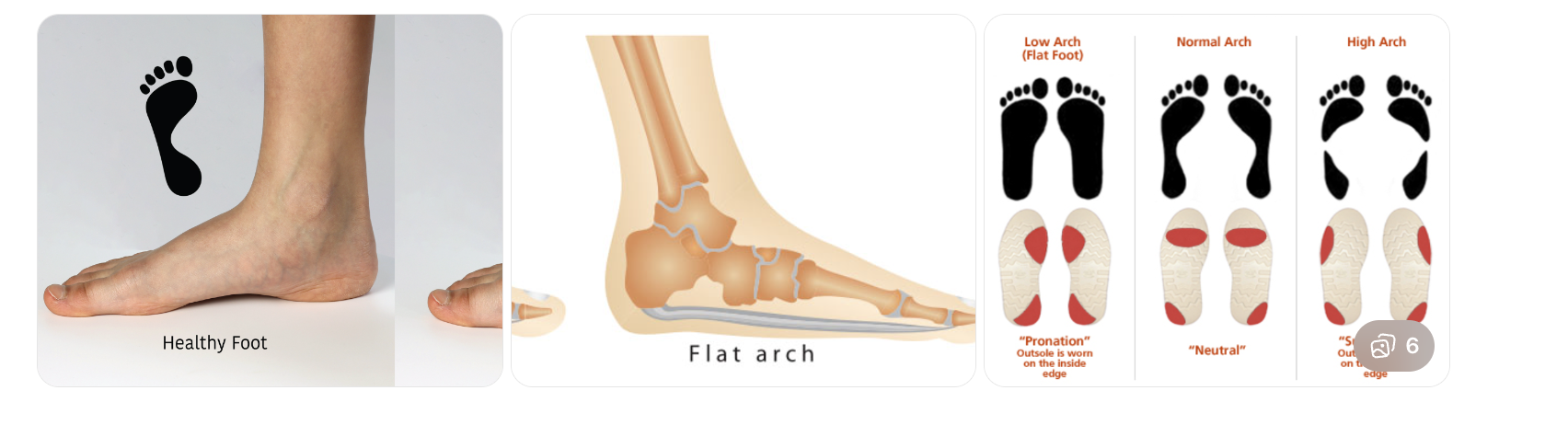
markham orthotics for flat feet

2. Normal Foot Arch

Definition & Key Features
Neutral arches maintain balance under load, with slight mid-stance pronation returning to neutral.

Role of Digital Pressure Assessment
The Footmaxx pressure mat can reveal subtle imbalances or early signs of overuse, guiding whether custom orthotics in Markham may be beneficial.

Management & Maintenance

  • Proper footwear and awareness of foot loading.
  • Orthotics can optimize function, especially during high-impact activities.
  • Periodic reassessment for changes in activity, weight, or injury.

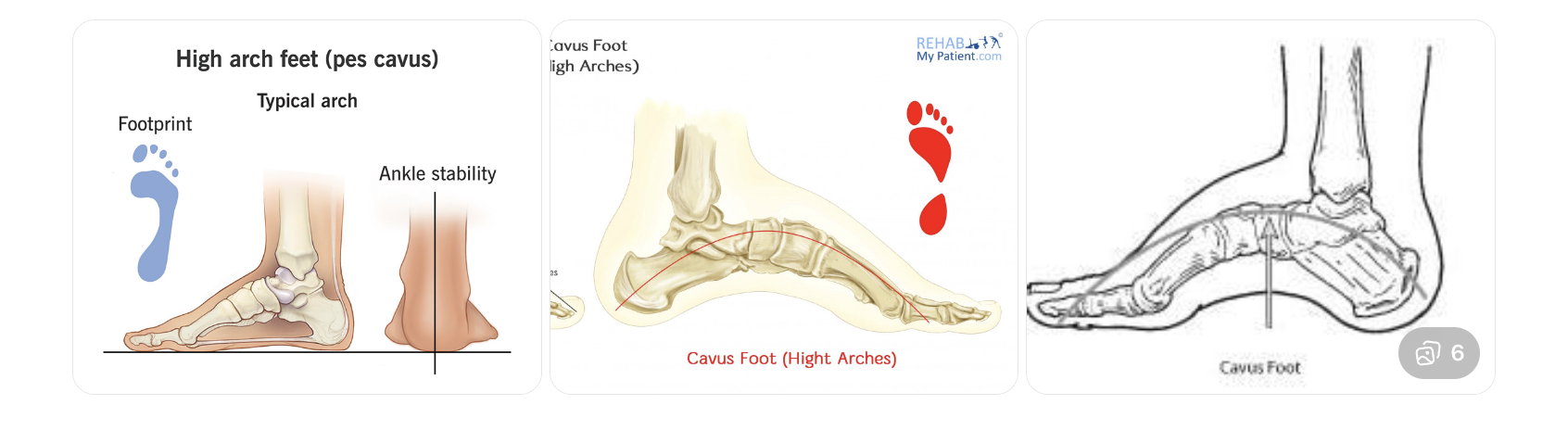
3. High Arch (Cavus Foot)

Definition & Key Features
High arches are elevated and rigid, often leading to under-pronation (supination) and lateral loading.

Importance of Assessment

  • Digital pressure mat: Reveals high-pressure areas and lateral loading.
  • 3D laser scan: Allows a fully customized orthotic to provide cushioning, arch support, and pressure redistribution.

Management & Treatment

  • Foot mobility assessment: calf tightness, plantar fascia, peroneal overuse.
  • Custom orthotics with appropriate arch support and shock absorption.
  • Flexible, cushioned footwear; training for foot, ankle, hip, and core stability.

Why Foot Mechanics Matter Beyond the Foot

Foot alignment impacts the entire kinetic chain:

  • Flat feet → inward tibial rotation → knee/hip compensation → low back strain.
  • High arches → reduced shock absorption → higher impact on knees, hips, and spine.

A combination of digital pressure assessment, 3D laser scanning, and custom orthotics in Markham ensures precise correction and reduces foot pain while improving overall movement mechanics.

Patient-Centered Approach at Form & Function

  1. Initial Digital Pressure Assessment: Quick, non-invasive test with clinical support staff for those unsure of their arch type.
  2. 3D Laser Scan for Custom Orthotics: Detailed scan to create fully personalized Footmaxx orthotics.
  3. Footwear & Education: Optimize orthotic use with proper shoes and guidance.
  4. Strength, Mobility & Stability Training: Foot intrinsics, ankle mobility, and hip/core integration.
  5. Ongoing Monitoring & Adjustment: Orthotics adjusted over time for changes in activity, weight, or aging.
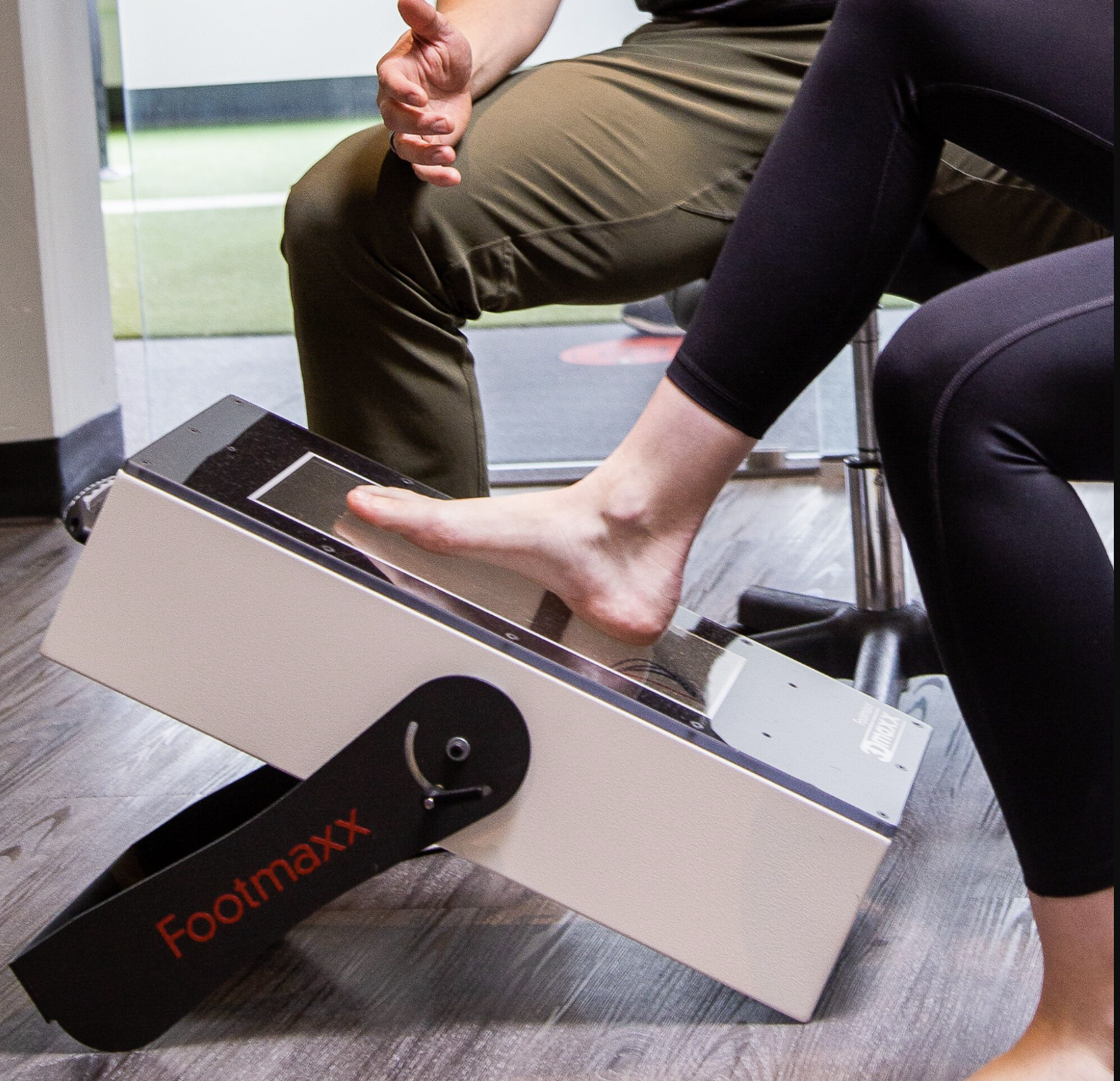
Footmaxx laser gait scan, markham custom orthotics
guy getting orthotics done

Final Thoughts

Flat feet, normal arches, and high arches each have unique biomechanical characteristics. Determining your arch type with a Footmaxx digital pressure mat assessment is the first step. If needed, a 3D laser scan enables a full custom orthotic fitting for optimal comfort and function.

With proper footwear, targeted strength training, and custom orthotics in Markham, patients can significantly reduce foot pain and improve overall biomechanics.


Free Pressure Matt Screening 

Unsure of your arch type or whether you need orthotic support? Book a FREE Footmaxx digital pressure mat assessment with our clinical support staff first. If a full custom fitting is recommended, we’ll perform a 3D laser scan to create orthotics tailored precisely to your feet and movement patterns.


Ada Chiu, D.Ch.
Chiropodist / Foot Specialist
Form & Function Health • Performance • Wellness Centre
Markham, Ontario
Book your session today
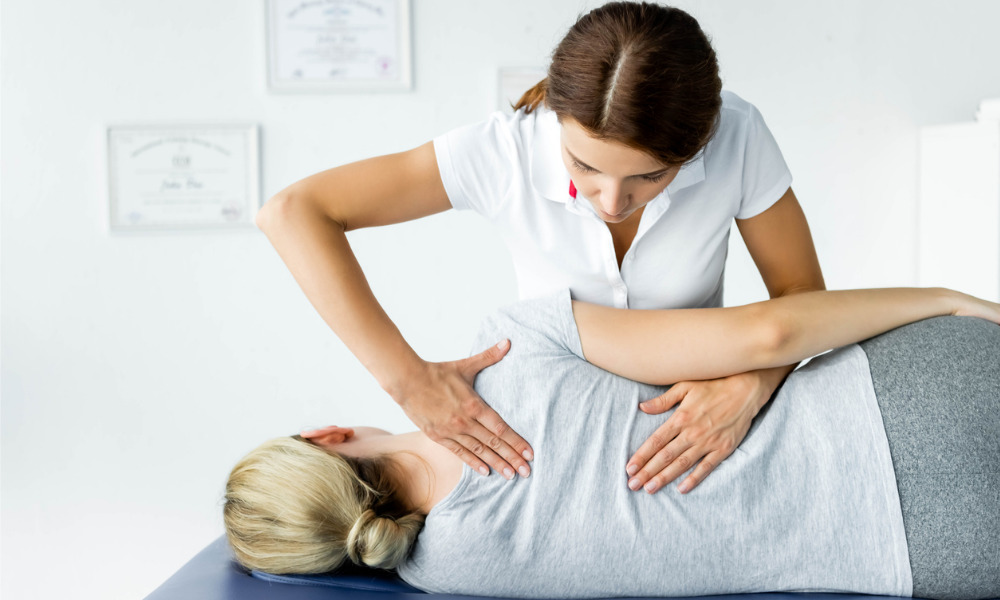

Chiropractic Care | Ms. Phoebe Deng | Form and Function Clinic

什么是脊椎矫正疗法?

在当今快节奏的生活中,身体疼痛已成为普遍困扰。无论是久坐办公导致的颈部僵硬、日常劳损引发的腰背疼痛,还是反复发作的运动损伤,寻求有效缓解都至关重要。

running injuries

Top 5 Running Injuries and How to Prevent Them in Markham

Insights from the Clinical Team at Form & Function Markham

Sprint into Action this spring running season without being stopped by nagging injuries. At Form & Function Markham, we’re runners helping runners. Our clinical team—made up of experienced physiotherapists, chiropractors, naturopaths and massage therapists—has spent countless hours on the track and in the clinic, identifying the top 5 running injuries many of us face. We know that with the right warm-ups, pre-habilitation exercises, and a little bit of TLC before the season kicks off, these injuries can be prevented. Whether you’re a seasoned marathon runner or just beginning your journey, our insights are grounded in firsthand experience and a shared passion for running, ensuring you stay strong, healthy, and ready to hit the road.

1. Runner’s Knee (Patellofemoral Pain Syndrome)

What Is It?

Runner’s Knee, medically known as Patellofemoral Pain Syndrome (PFPS), is a familiar adversary for many runners. This condition causes dull, aching pain around or behind the kneecap—a problem that arises when repetitive stress, muscle imbalances, or poor biomechanics affect the natural movement of the knee cap over the knee.

Common Causes:

  • Muscle Imbalances: Weak quadriceps, weaker lateral chain muscles and uneven muscle strength around the knee can lead to incorrect tracking of the kneecap.
  • Poor Biomechanics: Misalignment and weakness at the hip, knee, or foot adds extra stress.
  • Overtraining: Pushing too hard without allowing adequate recovery.

Prevention Tips:

  • Strengthening: Focus on exercises that build the quadriceps and glutes.
  • Warm-Up and Stretching: Ensure a proper warm-up before runs, incorporating dynamic stretches.
  • Professional Assessment: Our Physiotherapist who specialise in running mechanics  can evaluate your gait and muscle balance to tailor a preventative plan.

2. Shin Splints What Is It?

Shin splints are characterized by pain along the shinbone (tibia) and are common among runners, dancers, and athletes who push their limits. This condition often signals that your body needs a bit more attention—especially when training intensity increases.

Common Causes:

  • Rapid Increase in Activity: Sudden mileage spikes without proper preparation.
  • Improper Footwear: Worn-out or unsupportive shoes can compromise your form.
  • Flat Feet or Overpronation: Improper foot mechanics can increase stress on your shins.

Prevention Tips:

  • Gradual Training: Increase your activity by no more than 10% per week.
  • Correct Footwear: Invest in proper shoes that offer ample support. Ensure you replace your shoes every 500km.
  • Targeted Exercises: Strengthen the lower legs and feet. Including the tibialis anteror and posterior, calves and proper joint movement at the ankle.

Manual Interventions: Massage Therapy and Chiropractic adjustments can relieve muscle tension and improve joint function.


3. Iliotibial Band Syndrome (ITBS)

What Is It?

Iliotibial Band Syndrome is a familiar challenge for runners, causing sharp pain on the outer side of the knee and tightness around the side of the thigh and hip. ITBS results from the friction of the IT band—a thick band of fibrous tissue running along the outer thigh—against the knee, often due to underlying muscle imbalances and biomechanical issues.

Common Causes:

  • Weak Glute medius: Insufficient activation and endurance in the gluteus medius and minimus can lead to ineffective stabilizers of the hip, which effects the overal function of the ITB and knees.  It is also the functional precursor to Runners Knee.
  • Overactive TFL: When the tensor fasciae latae (TFL) overcompensates, it tightens the IT band.
  • Running Mechanics: Overpronation and poor core stability add extra strain.
  • Poor Footwear: Incorrect shoes can exacerbate these imbalances.

Prevention Tips:

  • Gait Analysis: The chiropodist or Physio can provide a comprehensive gait assessment to address these issues early.
  • Strength Training: Exercises like clamshells and lateral band walks strengthen the glutes.
  • Core Stability Work: Incorporate planks and deadbugs into your routine.
  • Flexibility Routines: Stretch and use foam rolling to relieve muscle tightness.

4. Achilles Tendinitis / Tendinopathy

What Is It?

Achilles tendinitis or tendinopathy affects the large tendon connecting your calf muscles to your heel. This injury, common among runners who increase their intensity too quickly, often starts with stiffness and progresses into a more persistent pain if not addressed.

Common Causes:

  • Tight Calves: Tightness in the gastrocnemius and soleus muscles increases the strain on the Achilles tendon.
  • Overtraining: Rapid increases in running intensity or mileage can overload the tendon.
  • Poor Footwear: Unsupportive shoes further compromise tendon health.
  • Biomechanical Issues: Flat feet or high arches can influence how forces are distributed in the lower leg.

Prevention Tips:

  • Consistent Stretching: Regular calf stretches help maintain flexibility.
  • Strengthening Exercises: Target both calf muscles and the surrounding areas.
  • Smart Training: Gradually build intensity and volume to allow tendons to adapt.

Early Intervention: Massage Therapy, along with manual therapy at Form & Function Markham, can be invaluable in easing early symptoms before they escalate.


5. Stress Fractures

What Is It?

Stress fractures are tiny cracks in the bone, typically resulting from repeated impact rather than a single traumatic incident. They most commonly appear in weight-bearing bones like the tibia, metatarsals, or pelvis. While often subtle at first, the pain from stress fractures can become more pronounced with continued activity.

Common Causes:

  • Repetitive Impact: Constant pounding on hard surfaces without adequate recovery.
  • Training Errors: Sudden increases in mileage or intensity can overwhelm your bone’s natural ability to adapt.
  • Nutritional Factors: Low calcium or vitamin D levels can predispose you to bone weakness.
  • Biomechanical Flaws: Poor running technique or supportive footwear can lead to uneven load distribution.

Prevention Tips:

  • Gradual Load Increase: Stick to a controlled progression in training intensity.
  • Balanced Nutrition: Ensure a diet rich in bone-supporting nutrients.
  • Corrective Exercises: Strengthen the muscles around the affected areas.

Professional Guidance: Regular assessments by a Chiropractor or Physiotherapist at Form & Function Markham can catch early signs before they develop into stress fractures.


How We Can Help at Form & Function Markham

Our integrated approach is designed to keep you at the top of your game. From your Physiotherapy Initial Assessment—a 1-hour session that includes a thorough neuromuscular and biomechanical evaluation—to follow-up treatments, our mission is to help you prevent injuries before they sideline you.

What to Expect:

  • Expert Assessments: Identify muscle imbalances, posture issues, and biomechanical faults.
  • Individualized Treatment Plans: Combining manual therapy, corrective exercises, and cutting-edge modalities like electro-acupuncture.
  • Whole-Body Focus: Our team, including specialists in Massage Therapy and Chiropractic care, works together to address both symptoms and root causes.

Personalized Guidance: We create treatment plans that fit your lifestyle, helping you train smarter and recover faster.


Don’t Let Injuries Hold You Back

Our clinical team at Form & Function Markham is passionate about helping runners achieve their best performance. We understand that every runner’s journey is unique, and our experts are here to provide personalized care that encompasses Physiotherapy, Massage Therapy, and Chiropractic adjustments—all tailored to prevent the injuries we see most often.

Ready to Run Without Limits?

If you need some help, book with one of our physiotherapists today and take that first step towards a more active, pain-free lifestyle.


This tailored approach ensures you have the best preventative care and expert guidance every step of the way. Let’s work together to keep your running strong and injury-free this season!  

Chronic Pain and Central Sensitization: A Guide to Effective Physiotherapy in Markham

Experiencing pain is a normal part of everyone’s lives. Our body senses threats via nerve endings called nociceptors which send signals up to the brain. However, over time, our nerve cells can become over-sensitized. This means they can react more strongly and easily to something that normally wouldn’t hurt or would hurt less. This is called “SENSITIZATION”. When sensitization happens, the signals transmitted to the brain occur more frequently, more efficiently and can be experienced anywhere in the body (something you don’t want!). Sensitization can contribute to chronic pain conditions such as fibromyalgia, headaches and low back pain. Sensitized individuals may also experience other systemic symptoms such as chronic fatigue, mood changes, sleep problems or difficulty concentrating.

If you’re based in Markham and seeking relief from persistent pain, physiotherapy offers effective treatment options. Our team of skilled professionals, including physiotherapist Afshin Shams, specializes in managing central sensitization and related conditions. In this article, we’ll explore central sensitization, its causes, and how physiotherapy can help alleviate symptoms and improve your overall well-being.

When we are sensitized, we may experience

pain that is out of proportion to the actual damage, a phenomenon known as Hyperalgesia

pain that spreads to other areas of the body, known as Referred Pain

pain that lasts a long time = Chronic/Persistent pain

pain that is triggered by harmless things like touch, pressure or temperature, which is called Allodynia

Chronic pain and central sensitization is a biopsychosocial experience and can affect anyone, but some people may be more prone to it than others due to

genetic factors: history of chronic pain in the family

→ environmental factors: occupation (repetitive activities), prolonged sustained postures

→ social: life stressors, job dissatisfaction, interactions with boss/colleagues at work, or

with family/friends at home.

Ok, now what do I do about it?

Treatment for central sensitization is, yes you guessed it, DESENSITIZING your central nervous system. Our bodies are constantly changing and adapting to internal and external stimuli. Research has suggested that we may be able to RETRAIN our brain and take advantage of the powers of NEUROPLASTICITY, which is when the brain changes in response to experiences, good or bad.

Physiotherapy offers evidence-based treatments that aim to desensitize the central nervous system and improve neuroplasticity. These interventions can effectively reverse the mechanisms behind sensitization. Some promising treatments include:

  • regular exercise: Regular physical activity can decrease the sensitivity of our nervous system by changing processes at the cellular level, re-calibrating the nociceptive signals sent to the brain. Exercise doesn’t have to be high-intensity or involve going to the gym. Low-impact activities such as walking, swimming, or yoga can be effective in reducing nervous system sensitivity. Try to aim for at least 30 mins per day 4-5x per week.
  • electro-acupuncture: electroacupuncture blocks pain by activating a variety of bioactive chemicals through peripheral, spinal, and supraspinal mechanisms. Specific systemic insertion points by an experienced practitioner centrally through the spine (neck, upper and lower back) and peripherally (ankle, feet, hands) can unblock neurovascular pathways and promote increased blood flow.
  • TENS (transcutaneous electrical nerve stimulation): Electrical impulses from the pads placed on the skin can reduce pain signals going to the spinal cord and brain, which may help relieve pain and relax muscles. They also stimulate the production of endorphins, which are the body’s natural painkillers.
  • lifestyle modifications: correct ergonomic setup at work (use of a standing desk), change of posture throughout the day (every hour), work-life balance, positive social experiences (friends and family), relaxation techniques such as meditation and yoga.

How long does it take to get better?

It is important to note that central sensitization occurs over a period of months to years, which means it may also take several weeks to months to observe significant improvements in symptoms. The most important aspect is understanding the different causes, adhering to the treatment plan and active participation from the patient.

Take the first steps towards your recovery by booking an initial assessment with our experienced physiotherapist, Afshin Shams. At our clinic in Markham, Afshin offers a comprehensive range of services, including physiotherapy, massage therapy, and chiropractic care. With a Bachelor of Science in Kinesiology from York University and a Physiotherapy degree from the European School of Physiotherapy in Amsterdam, Afshin provides personalized treatment plans that incorporate manual therapy, electro-acupuncture, and tailored home exercise programs. Since then, Afshin has completed post-graduate courses in Contemporary Medical Acupuncture from McMaster University as well as the Advanced Integrated Musculoskeletal (AIM) program through the Orthopaedic Division of the Canadian Physiotherapy Association.

Book your initial assessment with our physiotherapist Afshin Shams using the link below:

https://formfunctionclinic.janeapp.com/#/staff_member/82

Remember, chronic pain and central sensitization require consistent effort and active participation to observe significant improvements in symptoms. With the guidance of our physiotherapy team in Markham, you can embark on your road to recovery and regain control of your life.