Health Tips for Healthy Weight Loss

diet_shutterstock_65950612_preview

Delicious food may be tempting over the holiday season, but do try your best not to binge over meals. There are no miracle pills nor quick-fix solutions for weight loss.  A successful weight loss plan requires acceptance, willingness, patience and dedication. You want a weight loss strategy that is sustainable over the long-run. The truth is, you cannot out-exercise a poor diet. Your food and nutrition choices are the key factors toward building a healthy body and a slim waistline. Follow these 5 tips to help you jump-start your weight loss journey:


TIP #1: Begin each meal with a glass of water and aim to eat until you are 80% full. Don’t worry, you’ll have another chance to eat at your next meal.


TIP #2: Make it a routine to exercise at least 30 minutes, 3-5 times a week, with moderate intensity (enough to break a sweat). We often treat exercise as a burden, but it shouldn’t have to be that way.  You are making the best investment of a lifetime, which is your health.


TIP #3: Track your calorie in’s and out’s with a convenient smartphone app such as MyFitnessPal, Lose-It, or Lifesum. Knowing what you are consuming and expending will let you know how healthy your food budget is. It will also help you make the adjustments you’ll need to reach your fitness goals.


TIP #4: Eat less C.R.A.P.: Carbonated beverages, Refined sugars, Artificial additives/sweeteners, Processed foods.


TIP #5: Eat more F.O.O.D.: Fresh vegetables & fruits, Organic proteins, Omega-3 fatty acids, Drink more water.


Always consult with your primary care provider before taking anything that could potentially affect your health. Book an appointment with a Naturopathic Doctor to begin your weight-loss journey and learn how to stay fit for life. Stay connected for upcoming health talks about healthy weight loss and becoming the best version of yourself.

Athlete’s Foot

Athlete’s foot is a fairly common foot condition and is a fungal infection of the skin on your feet.  While it can easily be treated with prescription anti-fungal creams, you want to avoid it if you can.  Fungus thrives in warm, moist environments.  Avoid walking barefoot in communal areas such as swimming pool decks and locker room change rooms.  Wash your feet daily using soap and water, ensuring to dry well in between the toes.  If your feet have a tendency to sweat a lot, use rubbing alcohol and a cotton ball to swab between your toes.

Contact us to book an assessment today!

Stretching at Work

office_shutterstock_67947850

You might need to step out of your comfort zone to do some stretching at work but I assure you that you won’t regret it. For the majority of us, we sit at a computer for most of the day and do the worst thing ever for our body. We are still and inactive but also carry poor posture so we can be comfortable at our desks. What you have already noticed is with prolonged sitting these little aches get a lot worse and can cause significant pain for some people.

When we sit with poor posture what we are doing is straining the neck and upper back. This is caused from holding a certain position for a long period of time as well as not continuing to be active throughout the day.

Below are 2 very effect stretches you can do as your sitting at your desk to give you some relief. First is a simple seated sideways bend of the neck. Here you pull your ear towards the same side shoulder giving your neck nor mobility and less tension.

Second is forward neck stretch where you grip the back of your head, gently pulling your chin into your chest giving the back of your neck and your upper back a nice deep stretch.

These simple stretches should help you with reducing some pain and gaining mobility as your sitting at your desk.

Menopause and Exercise

0_header

Menopause is a physiological change that every women experiences usually after their 40s. The majority of women who are in menopause may experience some mood swings, weight gain, fatigue and  loss of sleep. It is also associated with increased risk for developing osteoporosis (weakening of bone) and heart diseases. For many women, these changes can be uncomfortable. The research shows that regular exercise can help prevent and/or recover from detrimental effects of the menopause. Consult with your healthcare professional before commencing or participating in any exercise program, especially those who are suffering from pre-existing medical conditions and taking medications.

Physiotherapists are qualified exercise professionals who prescribe patient-centred exercise programs for post-menopausal women. The intensity and type of exercise varies for each woman and depends on the individual’s fitness level, interest and convenience. The exercise can include low impact aerobics (cycling, swimming, walking) exercise to improve cardio-vascular endurance, strengthening exercises to improve strength in pelvic floor and other muscles, mobility and stretching exercises to improve flexibility, balance exercises, breathing exercises and yoga.

Contact Form and Function today to see how a combination of lifestyle choices can help improve your symptoms of menopause.

Breathing

e5f453_98b75e7d5f484407bdd7f6c71ba25e6d

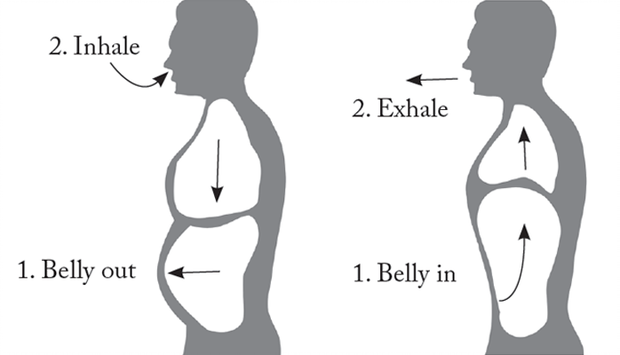
It’s funny but breathing is something we do all day every day but people can be doing it “wrong” (For the record, there isn’t a wrong way to breathe, just less efficient ways). To breathe more efficiently, you want to breath diaphragmatically. Here’s how:

  • Relax your body, especially the neck and shoulders
  • Place one hand on your stomach
  • Breath in through your nose and feel your hand expand outwards
  • Breath out through your mouth and feel your hand sink back towards your spine

This is the most efficient way to breathe. Take a look at your breathing in a mirror. If you are not using your belly but using your chest and neck muscles to breathe, you are using the wrong tools for the job. Try diaphragmatic breathing to relax those chest and neck muscles or just to breathe more efficiently.

Health Tip: Routine

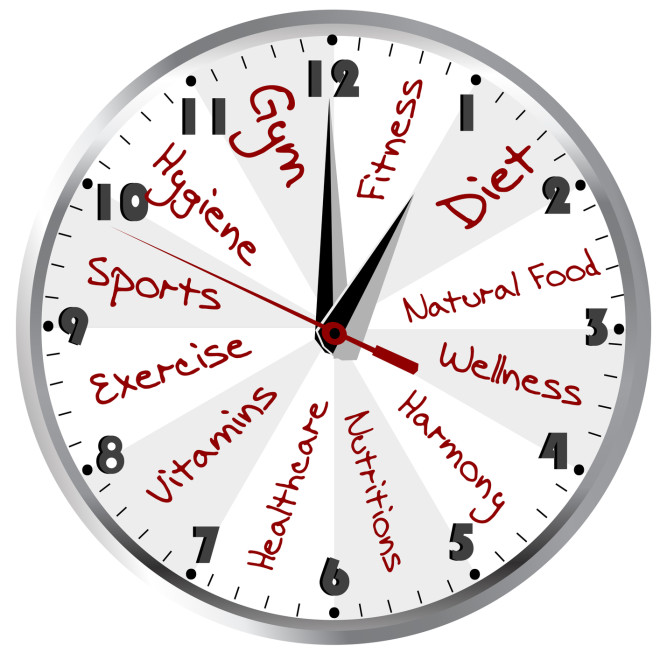
Conceptual clock for a healthy life

Routine is a funny thing for our bodies. On one hand, routine stabilizes the rhythms of our bodies (ie sleep, hormonal, digestive systems, etc.) and minimizes the stress put on these bodily systems. On the other hand, our body can get lazy with routine and needs to be challenged to become stronger and better (ie. Muscular, cardiovascular, neurological, etc.). So what’s the best way to live? Try to have a regular routine with your day to day tasks. Try to rest/sleep, eat, exercise at similar times everyday but challenge your body differently when it comes to the details. Find ways to rest more soundly, eat healthier foods and exercise with more advance exercises when you are used to the old ones.

The professionals at Form and Function can analyze your daily routine and help you create a better routine to fit your desired lifestyle.

Channel your inner Kung-Fu Master!

Balance and proprioception (where your joint is in space relative to the rest of your body) play an important role in everyday activities:

– walking on the sidewalk and suddenly the curb dissapears (or you didn’t notice it!)

– walking on uneven terrain or an unexpected hole

– performing basic activities of daily living and knowing how your form is (and what it should be)

– balancing and recovering when you find out there’s ice under the snow on the sidewalk

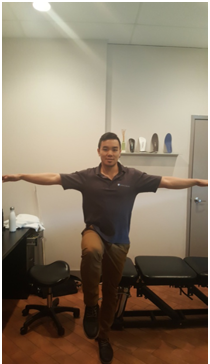
Single Leg Stork Stance

stork

A simple everyday exercise where you stand on the floor supported by each leg for 30s at a time.

-stay close to a wall or railing you can grab on to if this is difficult for you

-try this on a pillow if this is too easy

Contact Form and Function’s Kung Fu Master John for more tips on how to improve your balance

New Study: Knee arthroscopy for meniscus tear leads to 3x the risk of requiring knee replacement later

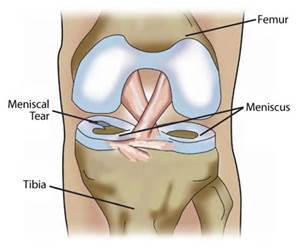
Here is a link to this study. But first, what does this mean? It means that for those of you who have been diagnosed with a meniscus tear, it’s definitely better to exhaust all forms of conservative treatment first before even considering going under the knife.

Meniscus-Tear

Conservative treatment for meniscus tears include manual/soft tissues techniques to normalize range of motion, active rehabilitation to strengthen muscles and stabilize the knee, and modalities to speed up the healing process. Come into Form & Function to discuss your rehabilitation following any meniscus tears. You’ll be glad you did.

Inflamed Muscles

Have you ever come home from a long day of work and feel like your body is in pain?  Most people would go directly for the heat pack, but before you do that it is important that you check the temperature of the area first. Using the back of your hand, compare the painful area to another area of your body. If the painful area feels hotter than the rest of the body then it’s a good indication that your muscles are inflamed. This is typically caused from overuse and friction usually brought on by repetitive movement.

shutterstock102245500

It would be a better idea to use cold compress on the area bringing the inflammation down before you heat the muscle. Take a cold pack and wrap it in a light towel, place it on the resting muscle for 5min on and 2 min off. This will decrease the inflammation in your muscle allowing the pain to decrease as well.

What is the pain in my heel?

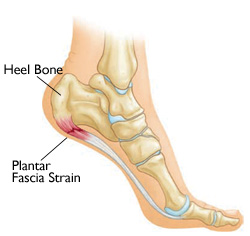
Do you wake up in the morning and take your first step out of bed and are in agony?  Does the pain go away after taking a few steps, only to return later on in the day?  If so, you are most likely suffering from one of the most common foot pain conditions – plantar fasciitis.

A00149F02

There are several risk factors for the cause of plantar fasciitis, but one of the most common in abnormal foot motion – either too low or high arches.  Things to try at home to help relieve the pain include resting, icing the foot, and stretching the feet and legs.  However, if the pain persists, you may require more treatment.  Contact us for an assessment.