I have Cold Feet – How Do I Keep Them Warm In The Winter?
feet-sock-warm-mug.jpg.653x0_q80_crop-smart

With the cold weather upon us, your feet have a tendency to get really cold, really quickly.  Here are some tips to keeping them feel as warm as possible:


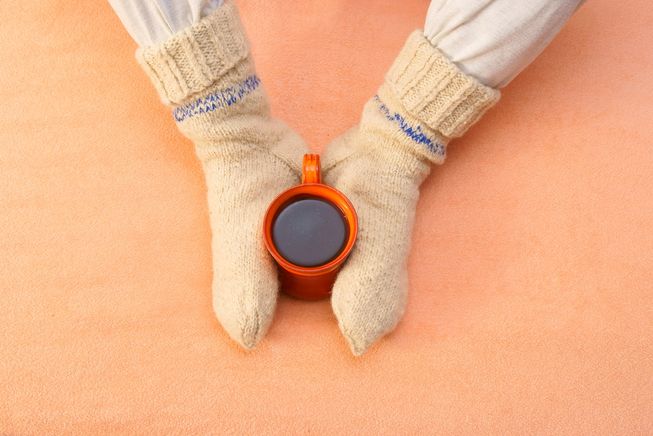
  1. Avoid cotton socks.  When your feet naturally sweat, cotton socks absorb and trap that moisture.  When it is cold outside, the moisture in the socks will start to freeze, thereby making your feet cold.  Your best choice is socks made of wool.
  2. Wear good boots.  When there is snow, slush, and ice outdoors, you want to be prepared.  Choose boots that are waterproof, come up high enough to your ankle or above to protect against the elements, and made with an insulating liner.
  3. Keep your toes moving.  If you are going to be outdoors for an extended period of time, wiggle your toes up, down, and around to keep blood flow moving to your toes.  This will keep your toes feeling warmer for longer.

Victoria Sheard, Chiropodist

Contact us today for more healthy feet tips!

Prevention of hypothermia and preparation for cold season events

iStock_winter-running

Planning for mass-participation endurance events should include preparation for the treatment of hypothermic patients. This is true even when the event will be held in moderate conditions ( T < 28 ‘C or 82.4 ‘F ), and it is particularly important when participation seems likely. Equipments, supplies, and personnel requirements vary based on  the type of event , anticipated weather conditions, and event duration, but several factors merit universal considerations:

  • Warm fluids for oral and iv hydration should be available at all aid stations. Iv bag warmers or microwave ovens should be present to ensure the fluids can be warmed for late completions.
  • Low temperature thermometers, preferably tympanic, should be available to treatment personnel.
  • A warm , dry changing area should be established at the finish area to allow the athletes to recover from the events and escape further environmental heat losses.
  • Readily accessible, appropriate transportation to a treatment facility capable of supporting active internal rewarming ( peritoneal lavage, cardiopulmonary bypass) should be on standby. The transporting vehicles must be outfitted for capability to monitor the patient’s cardiac status and provide heated iv hydration and inhalation therapy.

Dr.Hamid Ghasvini, DC

Resolutions

shutterstock_62795851

With New Year’s just passing, many of us have resolutions to better ourselves. If you have a resolution to exercise more, you may want to follow some of these tips:

  • Start slow: Rome wasn’t built in a day. Take exercising at a slow pace and ease yourself into any new routines. Once you are comfortable with that, then push yourself harder.
  • Be realistic: Change takes time. Don’t get down on yourself when you don’t see immediate responses to exercise. Think more on the scale of weeks with meaningful change starting in 6 weeks.
  • Positive reinforcement: Focus on how you feel rather than pure numbers (like a scale). If you feel more energetic, stronger, faster, better then feed off that feeling. If you feel more tired, sluggish, painful then you should consult a professional to take a look at your symptoms.
  • Consult a pro: Talk to a professional for help on exercise selection. There’s different levels of exercises and you may be hopping too many levels without proper guidance leading to increase risk of injury.

The professionals at Form and Function can always help your meet any health and exercise goals. Come in and let us help you get to where you want to go.

Manni Wong, Physiotherapist

Be Proactive, Not Reactive

7prehab-istock7749503-lr

I have mentioned this (Prehabilitation) before but it bears importance so I’ll mention it again. Most people are reactive in their approach to health. When something hurts, they go seek medical attention. But why not be proactive in your health? Instead of finding out an injury may set you back a couple months, why not try to prevent it from happening in the first place? In terms of physiotherapy, proactive treatment sessions or prehabilitation can help you do just that.

Come into Form and Function proactively and get your movement patterns, joint mobility, muscle strength and flexibility among other things assessed and a preventative program set in place. We can manage the program with just a few follow ups and it might just save you from the hassle and stress of an injury later on.

Manni Wong, Physiotherapist

The Formula for Happiness

parents-run

We are always told that being active is important, but the question remains, why? Did you know that being active can help with every aspect of your life including how happy you are?

1401-heart-terms-art

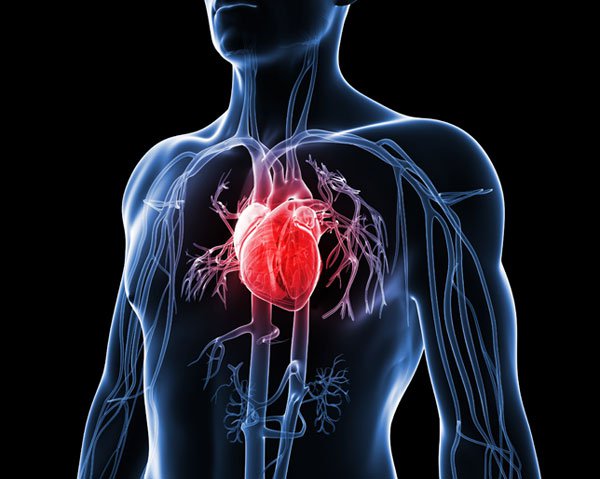
Conditions such as Heart Disease, Stroke, High Blood Pressure and Obesity are all related to how physically active you are. With all conditions, plaque builds up in your body and restricts the blood to pass through the body causing many different conditions. Plaque is built up because of high cholesterol levels combined with a few other elements creating a hard substance on the walls of the heart and various organs.

The most effective way to reduce these harmful effects is to be physically active. Physical activity has been proven to reduce the cholesterol in your blood, as well as burn fat as well as limiting the number of low density lipoproteins (LDL) to be formed in the body.

In addition to reducing the harmful effects of cardiovascular disease, physical activity also gives you more energy throughout your day. When you become active, you make your heart stronger and more able to pump blood at a greater volume. This naturally causes an increase in energy. In addition it helps us sweat which naturally eliminates the toxins in our blood which is the cause of fatigue.

Being active also will create a better mood. When we work out, endorphins are released. This particular hormone is responsible for making us happy. This hormone is knows to stay circulating in our bodies for several hours which also is responsible for making us calm and more patient. A very good attribute to have!

You only require 30 minutes of activity 3 times a week. This very short period of time is all that’s required to make yourself healthy and happy!

Speak with one of the health professionals at Form and Function today to get started on your path to happiness!

Paul Henein

Choosing the Right Shoes

perfect-fit

If your toes cramp up from time to time, you may be irritating a nerve underneath your foot. You are basically causing the bones in your toes to be squeezed up against the thin nerve that runs in between them.

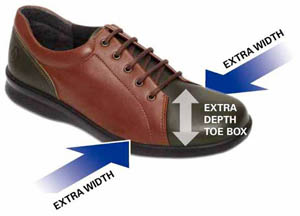
Make sure to wear shoes that are roomier at the toe box (the region in the shoe that houses your toes).  Wearing shoes with a narrow toe box should be avoided and/or minimized.

Jennifer Lam, Chiropodist