Health Talk: Have you ever had a Concussion?
concussion

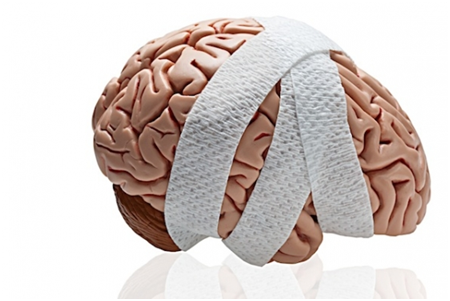
A concussion is an injury to the brain that changes the way your brain functions.  The effects are usually temporary and include headaches, trouble concentration, memory loss (amnesia), balance and coordination.

Concussions are usually caused by an impact to the head but can also occur when the head and upper body are violently jarred.  Most concussions do not result in loss of consciousness. This allows concussions to plague more recreational athletes because they don’t realize they have one.

Concussions are common, especially if you play a contact sport such as hockey.  Each time you get a concussion, it’s your brain that has to heal.  Most concussions are mild and people can recover fully.

The most common symptoms after a concussion are headache, memory loss and confusion.  Other symptoms can include:

– loss of consciousness

– feeling of pressure in the head

– a fog like state of mind – confusion

– appearing dazed

– forgetting what happened

– dizziness

– double-vision

– sensitivity to light

– seeing stars

– nausea

– vomiting

– slurred speech

– slower response to questions

– fatigue

These symptoms can manifest immediately or over the next few hours up until days after an injury.  In children – this can be a change in personality – lack of interest in favourite toys/foods, increased irritability and crankiness, loss of balance and unsteady walking, and excessive crying.


The Cause

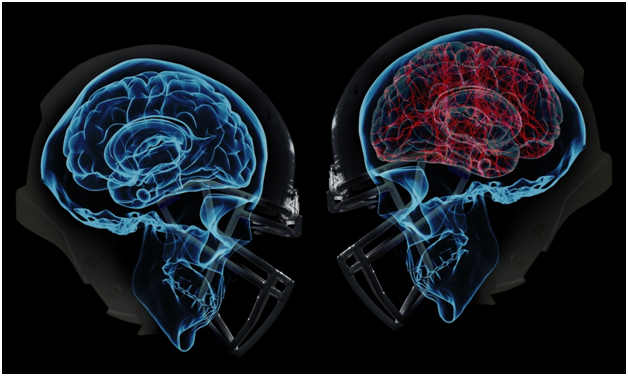
After hitting your head – the force of the impact causes your brain to hit against the inside of the skull.  This movement causes brain cells to stretch and or tear changing their electrical and chemical balance.  This change is critical to their function and communication which in turn gives us the many symptoms of a concussion.  After an injury the brain is left in a highly stressful state where it begins to heal itself.

A concussion is essentially an energy crisis within the brain.  After an injury – the brain will try to heal itself – which by nature demands a lot of energy.  This is why the single most important thing you can do if you think you are suffering a concussion is to GET REST.  Rest is both mental AND physical rest in conjunction to addressing any associated neck injuries you may have suffered.
concussion2

After a single concussion – there is a window of brain vulnerability – this is when the brain is in its healing state and demands the most energy. This is usually from day 3-7 after an injury.  If you suffer a second head impact during this time your concussion will get worse. This can prolong proper complete recovery up to 6 months to 2 years.concussion3
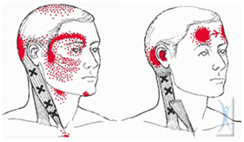
Associated Neck injury

Anytime there is enough force for you to have a concussion – there can be an associated whiplash through the neck.  The amount of force to allow your brain to slosh into the inside of your head is enough to irritate or cause some issues into the neck.  Sometimes some of the symptoms you think are a concussion can actually be coming from your neck!

How can I help?

I can assess you to see a baseline in your balance and function as well as address any musculoskeletal issues (muscle, ligament, joint, nerve) in the neck after an injury.  After an assessment I can explain to you what is going on and the plan to achieve a full recovery – including exercise to make your neck stronger!concussion4
Dr. Jon Leung, DC

Sit Differently After Meals

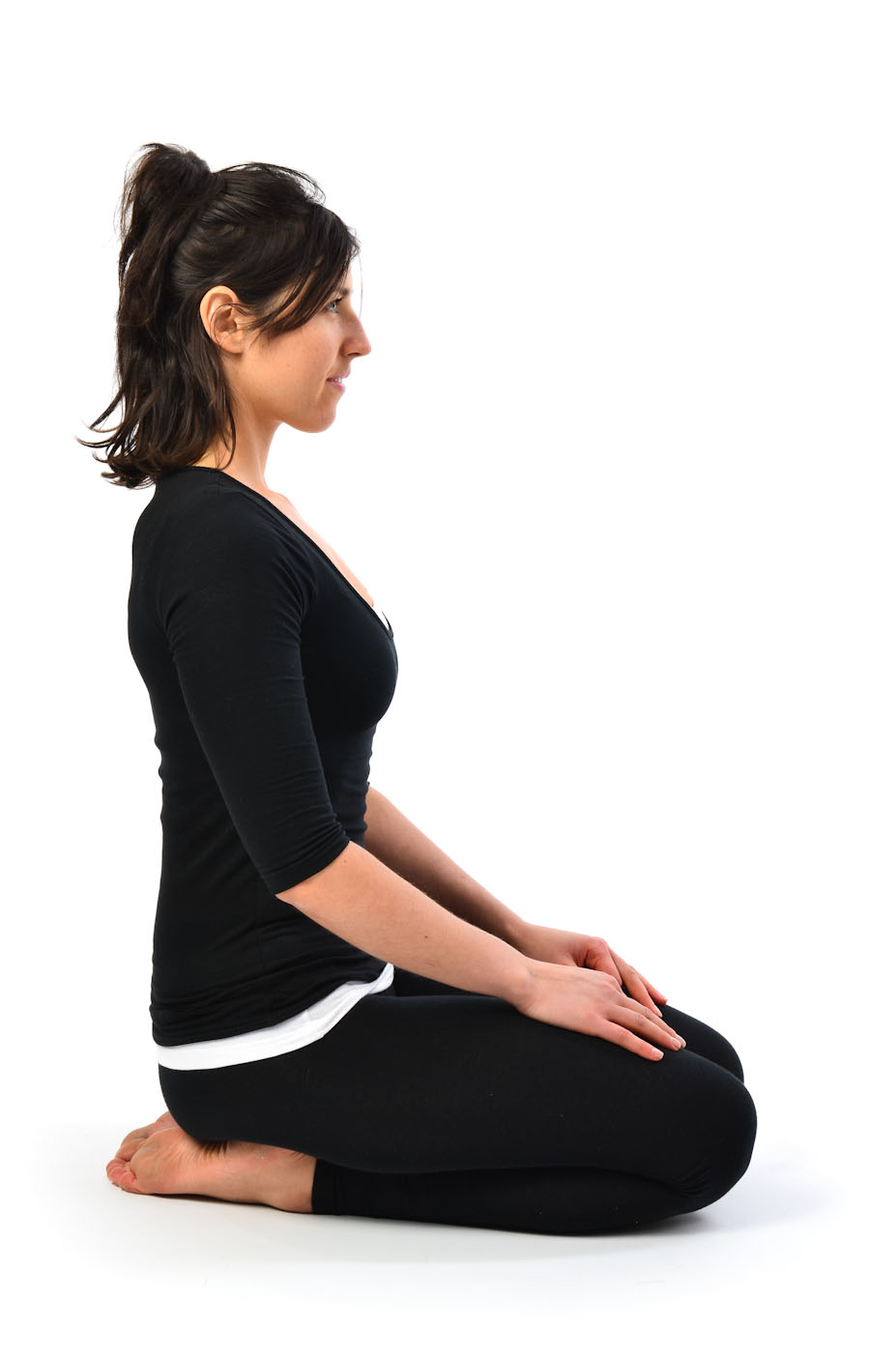
Thunderbolt-pose-Vadrasana

It does not matter how much one eats but how much one can digest. The digestive
system is the fulcrum of all human systems. To strengthen it is to strengthen the entire
human organism. Normally, people start working immediately after taking meals. For
proper digestion, blood should flow properly towards the digestive system. For this one
needs to learn the Thunderbolt pose.

Benefits:

The Thunderbolt pose improves digestive efficiency by reducing the blood flow towards
the lower pelvic region and increasing it towards the stomach. The chances of acidity
and flatulence decrease. Besides, it strengthens muscles of the back and the neck.

Technique:

Keep the lower legs together and sit on heels, so that the thighs rest on calf
muscle and the buttock rests on heels. Back and neck should be kept straight.
Maintain the posture for at least 5-10 minutes.
In case of discomfort in legs or feet, undo the posture and stretch your legs.
Warning: Not to be performed by those who have knee problems or who have
undergone knee surgery.

Smriti Kaushal, physiotherapist

Been sitting all day? Legs up!

Legs_against_wall-500x333

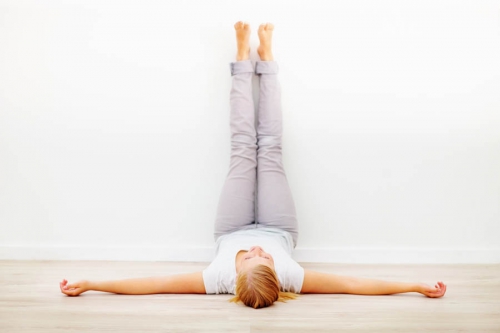
Do you spend a lot of time at work sitting or stuck in one position?  During lunch or a break, take the time to move and stretch and change your position to keep your spine healthy.  Prop your legs up against the wall with your back on the floor.  Take a few deep breaths while ‘sitting on the wall’ to help the back, improve circulation, rest weary legs, or relax in general.

Dr. Jon Leung

Ingrown Toenails

part1

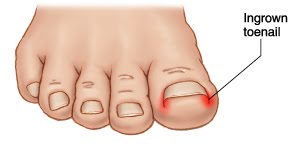
Ingrown toenails are toenails that have a tendency to curl into the surrounding skin on our toes.

If left unattended, they are can get infected and/or irritated.  Make sure to wear wider-fitting shoes.  This will prevent your shoes from putting pressure onto your toenails.  Wearing high heels will have just the opposite effect!  Avoiding any type of trauma to the toenails will also be beneficial. Avoid people from stepping on your toes and avoid hitting your toenails against hard surfaces.

Jennifer Lam, Chiropodist

Gardening Tips

BACKGROUND-gardening

Warm up

Before you begin any physical activity, warming up is a key factor in preventing injury. Take a walk, even on the

spot. Ten to 15 minutes should do it. Don’t forget to lift your knees and gently swing your arms.

Stretch before you start

To plant and rake without the ache, do each of these stretches five times. Don’t bounce, jerk or strain.

Stretches should be gentle and should not cause pain.

Upper Body

YOUR SIDES

1. Extend your right arm over your head.

2. Bend to the left from the waist.

3. Hold for 15 seconds and repeat on the other side.

YOUR ARMS AND SHOULDERS

1. Hug yourself snugly.

2. Slowly rotate at the waist as far as is comfortable to the left, then to the right.

YOUR BACK

1. In a seated position, bend forward from the hips, keeping your head down.

2. Reach for the ground.

Lower Body

YOUR THIGHS

1. Face a wall or tree and support yourself against it with one arm.

2. Bend your right knee and grasp your ankle or pant leg with your left hand.

3. Hold for 15 seconds and repeat on the other side.

YOUR HAMSTRINGS

1. Stand.

2. Reach your hands to the sky.

3. Then bend at the waist and reach toward your toes.

Dr. Roger Singh

Tips at your Computer

Keyboard Height

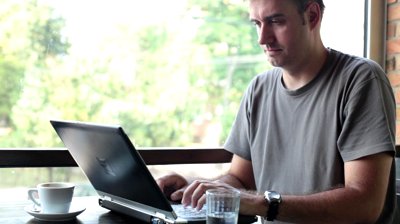
Sit with relaxed shoulders in an upright posture.  Adjust your seat height until your elbows and knees are bent at 90-degrees, and your feet rest on the floor.  You may also move your keyboard, the height of your desk, and/or use a footrest to achieve this position.  When possible, you may try using an exercise ball (stability or Swiss ball) as an ergonomically-sound replacement for your chair.

Footrest

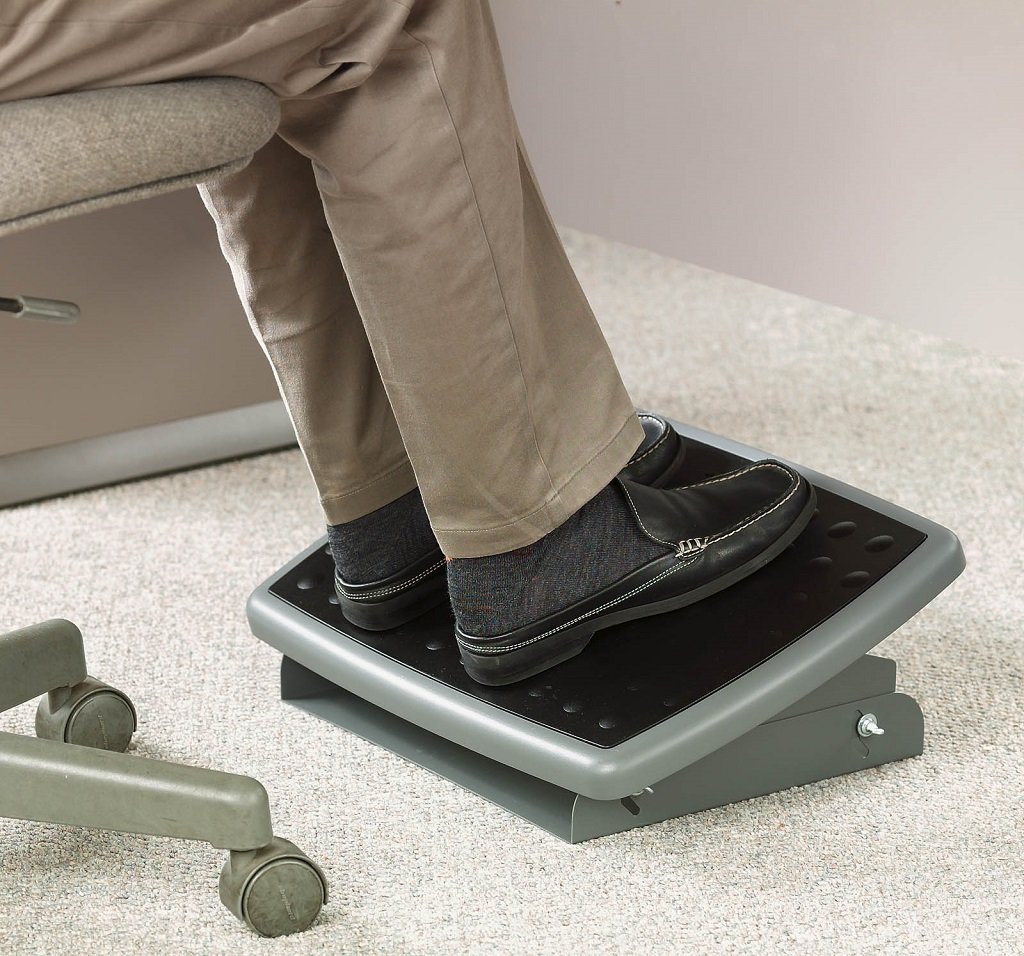
Adjustable footrests are ideal.  An adjustable height Wobble Board is a good alternation, because the dynamic movement means that your legs and feet will not get tired of being in the same position for hours.  You can also stand on a Wobble Board when talking on the phone.  This is a great opportunity to enhance your balance and proprioception.

John Li, Massage Therapist

Health Talk: Why Do My Feet Hurt? Recent Study Highlights Two Conditions

Dr. Roger Singh

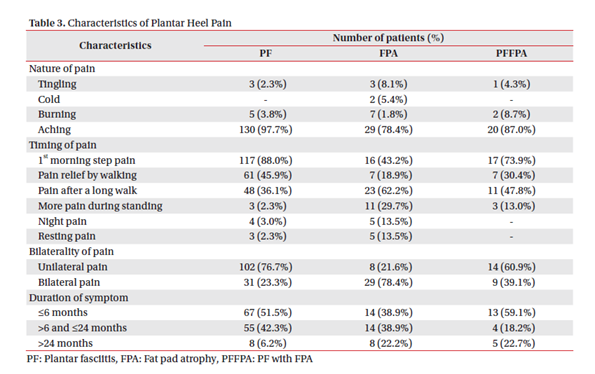
Having pain on the sole of the feet is a common condition that can be confused as being plantar fasciitis. It is possible to have pain as result of degeneration or irritation of the fat pad on the heel of the foot. Here is a summary of the similarities and differences between the two conditions based on a recent study.

Patients with plantar fasciitis commonly experienced first-step pain in the morning and relief of pain after walking. Unilateral pain was more common than bilateral, and patients with plantar fasciitis had pain duration of less than 6 months. Patients with plantar fasciitis also had decreased ankle dorsiflexion (bringing the foot upward). As such, their pain could be aggravated with dorsiflexion.

chart

Patients with fat pad atrophy suffered from not only aching pain but also tingling, cold and burning sensations. They complained of pain after a long walk, pain at night and resting pain. Bilateral pain was more common than unilateral pain. In 61.1% of patients with fat pad atrophy, pain duration was over 6 months, and 22% of these patients had pain duration of over 2 years.

It was also noted that both conditions can occur simultaneously, presenting with symptoms that fit both conditions.

Both of these conditions are responsive to treatment, including orthotics. In the case of plantar fasciitis, it can be treated with Myofascial Release Technique and Graston Instrument Assisted Soft Tissue Technique, which has proven to be very effective methods of treatment with patients showing very positive results.

Speak with a health professional at Form and Function today to get your feet healthy and happy!

Importance of Warming Up Before Exercise


What is a warm-up?
Warming up is a session which takes place prior to being physically active. Typically warming up will consist of cardiovascular exercises combined with dynamic stretching.

What happens in a warm-up?
Lets take a look at the example already given in terms of cardiovascular exercise as well as stretching. The cardiovascular exercises are designed to increase circulation, increase body temperature and bring the heart rate up, while stretching warms the muscles and prepare them for the movements they will be with exercise.

Effects of the warm-up
Warming up should prepare the body for exercises by increasing the heart rate and circulation. This will loosen the joints and increase blood flow to the muscles. Stretching the muscles prepares them for physical activity and prevents injuries.

Preventing injury
The most important reason for warming up is to prevent injury during exercise. Keeping the muscles warm will prevent acute injuries.

Paul Henein

Yes, You Still Have to Eat Your Fruits & Vegetables!

fruitsandvegetables2-1

As the price of fresh produce continue to rise, money often becomes a limiting factor to eating healthy. Organic vegetables and fruits are preferred to reduce your exposure to pesticides, which may disrupt hormone levels in the body. However, the high cost of organic foods is often a deterrent.

Fortunately, the Environmental Working Group helps you make better decisions for your body and your wallet, by providing a list of foods which are safer to eat non-organic, and which foods are better eaten organic.

The “Dirty Dozen”

These foods were found to have the highest pesticide exposure. When possible, purchase the organic options for these foods:

http://www.ewg.org/foodnews/dirty_dozen_list.php

The “Clean 15”

These foods were found to have the lowest pesticide exposure. Save your money and choose the non-organic options for these foods:

http://www.ewg.org/foodnews/clean_fifteen_list.php

One final thought: my patients often ask me whether it is safe to eat vegetables and fruits even if they are not organic, due to the risk of pesticide exposure. My answer is always the same: Remember that the levels of fibre, vitamins, minerals and antioxidants in produce outweigh the potential risks of pesticides. So Yes! You still have to eat your fruits & vegetables.

Wishing you good health,

Dr. Odette Bulaong ND