
Free Gym

bike_shutterstock_46843036

Many people are unable to find a consistent time to go to the gym or get the physical activity they need. This is not an excuse to not get any physical activity as there various ways to be physically active as we have access to “Free Gyms” on a daily occurrence. Instead of using an escalator or an elevator and use the stairs (also known as a “Free Gym”). Next time you buy groceries park farther away and carry a couple of the bags (the walk is a “Free Gym” and the groceries are “Free Weights”). If your dog is barking at you to go to the bathroom do not just open the back door and let him out, take him for a walk as he is really asking you to be his gym partner. There are dozens of daily choices we can make every day to make our lives a little more active and help fill in the times when life gets in our way of our regular exercise.
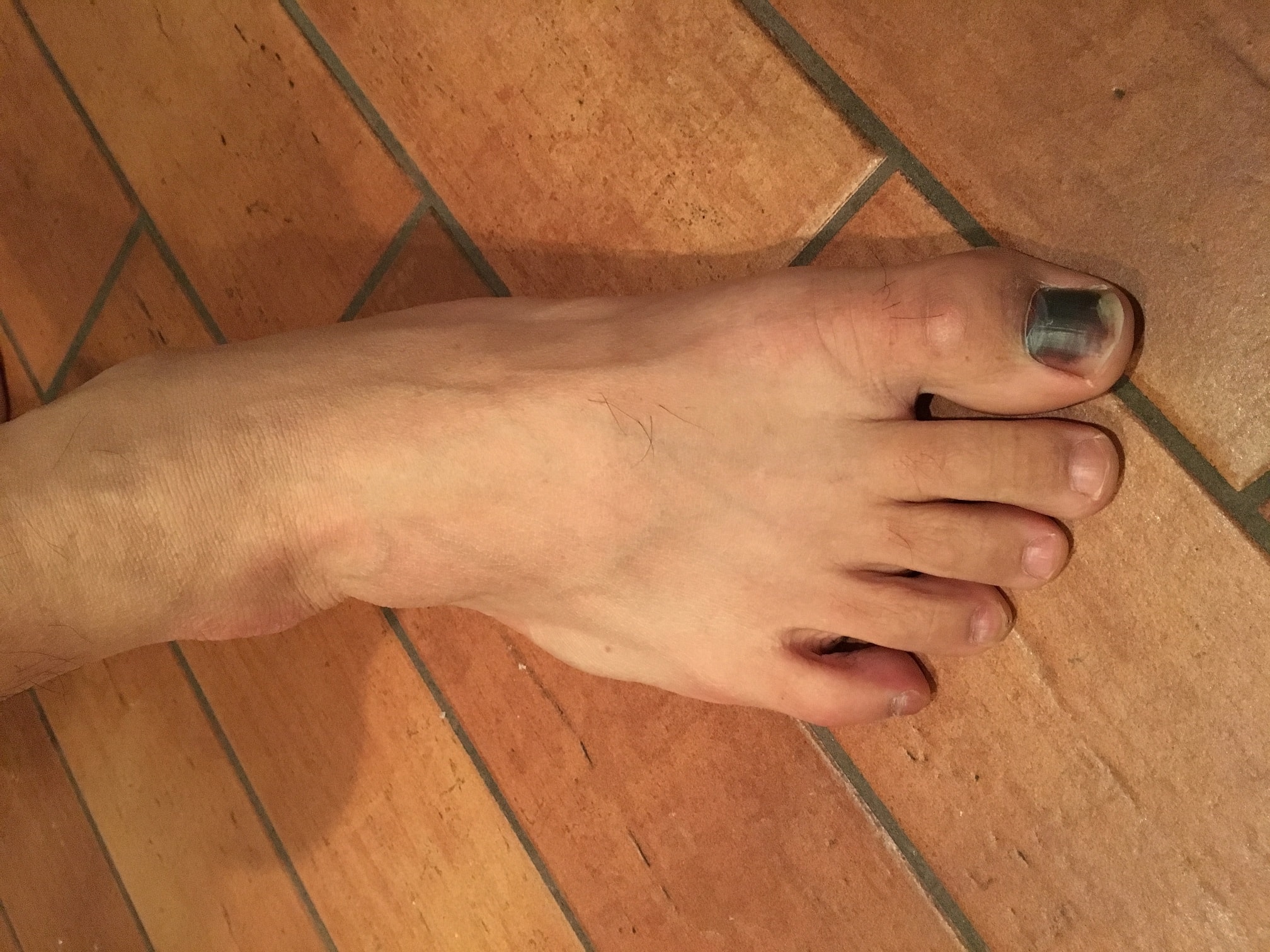
Avoid Losing Toenails!

Avoid Losing Toenails

As most long distance runners know, it is not uncommon to lose a toenail…or two.  It is caused by bruising that develops as a result of the repetitive impact between the toenail and the shoe and/or ground.  As the nail grows, it lifts off from the nailbed underneath and can eventually fall off.  So how can you avoid this from happening at all?

  1. Make sure you keep your toenails short.  The longer the nail, the more likely it is to hit the ground or your shoe causing the bruising.
  2. Buy running shoes a half size larger than your usual size.  This leaves a bit of extra room between the foot and the shoe, lessening the chance of impact.
  3. Check the shape of your shoes.  Avoid shoes with a tapered or narrow toe-box, and look for shoes that have a square shaped toe-box.
MassageTherapiest Markham Jiaxin Yu

Yu Xia (Michelle) Hu

Yu Xia (Michelle) Hu

RMT

  • Registered Massage Therapist

Michelle is a registered massage therapist with over 6 years of experience in providing manual therapy.  She is very passionate and dedicated to her profession. She is able to provide excellent client rapport and care, and if there are any complaints, she makes it her top priority to improve satisfaction. She is always looking ahead and continues to learn and update herself on the latest techniques. She is ambitious and has one set goal to be able to provide comfort and relaxation for her clients.

Click below to book a Massage Therapy Session with Michelle.

Book Today

Exercise Recommendations

It is important to incorporate physical activity in our daily lives. The American College of Sports Medicine has released new recommendations on the quantity and quality of exercises categorized by cardiorespiratory, resistance, flexibility, and neuromotor exercises.

The recommendations are as follows:

  • Cardiorespiratory exercises: Adults should get at least 150 minutes of moderate-intensity exercise per week.
  • Resistance exercises: Adults should train each major muscle group two or three days each week using a variety of exercises and equipment.
  • Flexibility exercises: Adults should do flexibility exercises at least two or three days each week to improve range of motion.
  • Neuromotor exercises: Neuromotor exercise (sometimes called “functional fitness training”) involving balance, agility, and coordination is recommended for two or three days per week.

Ways to Prevent Job Stress

headache_shutterstock_103939142_

  1. Take frequent breaks when you find yourself procrastinating, daydreaming, have a mental block or just feeling tense in general.If your task requires more concentration, take more breaks.
  1. Set your proirities every morning. Have a list and sort them from high to low priority. Make sure you can complete at least one of the high priority items, even if you have to say no to a low priotiy item.
  1. Make a day where you can clean up your desk, sort your mail, and return phone calls, preferrably on a Friday, so you can start your next week fresh.
  2. Try to avoid stressful / unneccessary meetings that you can accomplish by a quick call or memo.

Balance!

food_shutterstock_7670236
Foam Rolling is an amazing self help tool that helps alleviate stiffness, muscle tightness, and pain. Some people make the excuse about not having enough time for anything additional in their daily routines, but this will take 5-10 minutes. You can target your problem areas only or do a whole body routine.
Foam Rolling for beginners: Get a foam roller that is firm and smooth – NO knobby parts on it. It will hurt if you have not foam roller before, but the knobby ones REALLY hurt if you haven’t done it before. You’ll utilize your arms/hands and legs to customize how much pressure you’re putting on each body part you’re foam rolling. You can graduate to using less assistance which means more pressure on the foam roll as the foam rolling gets easier and less painful.
Now, why am I suggesting you put yourself through pain when you’re in pain?! The body gets stressed from injury or just every day activities, the muscles tighten, the joints stiffen, you’re in pain. Foam rolling works on the muscles and fascia to loosen the muscles, get knots out, which leads to the joints having less stress on them, and in turn less pain.
One key point to foam rolling your back: do NOT position your lower back on the foam roller without tilting your body to the side. The pressure should be coming from the side, not directly on your spine!! On the rest of your spine that attaches to ribs, you can have the foam roller directly on the spine because the ribs support that pressure.

The Mind Muscle Connection

body_shutterstock_67005964

When you lift in the gym you’re working with a progressive overload principle.  You want your muscles to perform some work and eventually fatigue, so when you recover from your session in the gym, your muscle grows so that the work becomes easier.  To maximize muscle growth, there’s something that most people are missing.  The Mind Muscle Connection.  Focus on the muscle being trained as it increases activation of the target muscle.  Concentrate on what you are doing and be present in the moment.  This is mindfulness at its best. There are a number of distractions in the gym.  Your phone. The TV.  Your last business meeting.  It’s distracting and unproductive. Lifting the weights is just a means to an end.  How well you contract the muscles and how much the rebuild is what training is all about.  Try these 3 tips to build a better connection with your muscles.

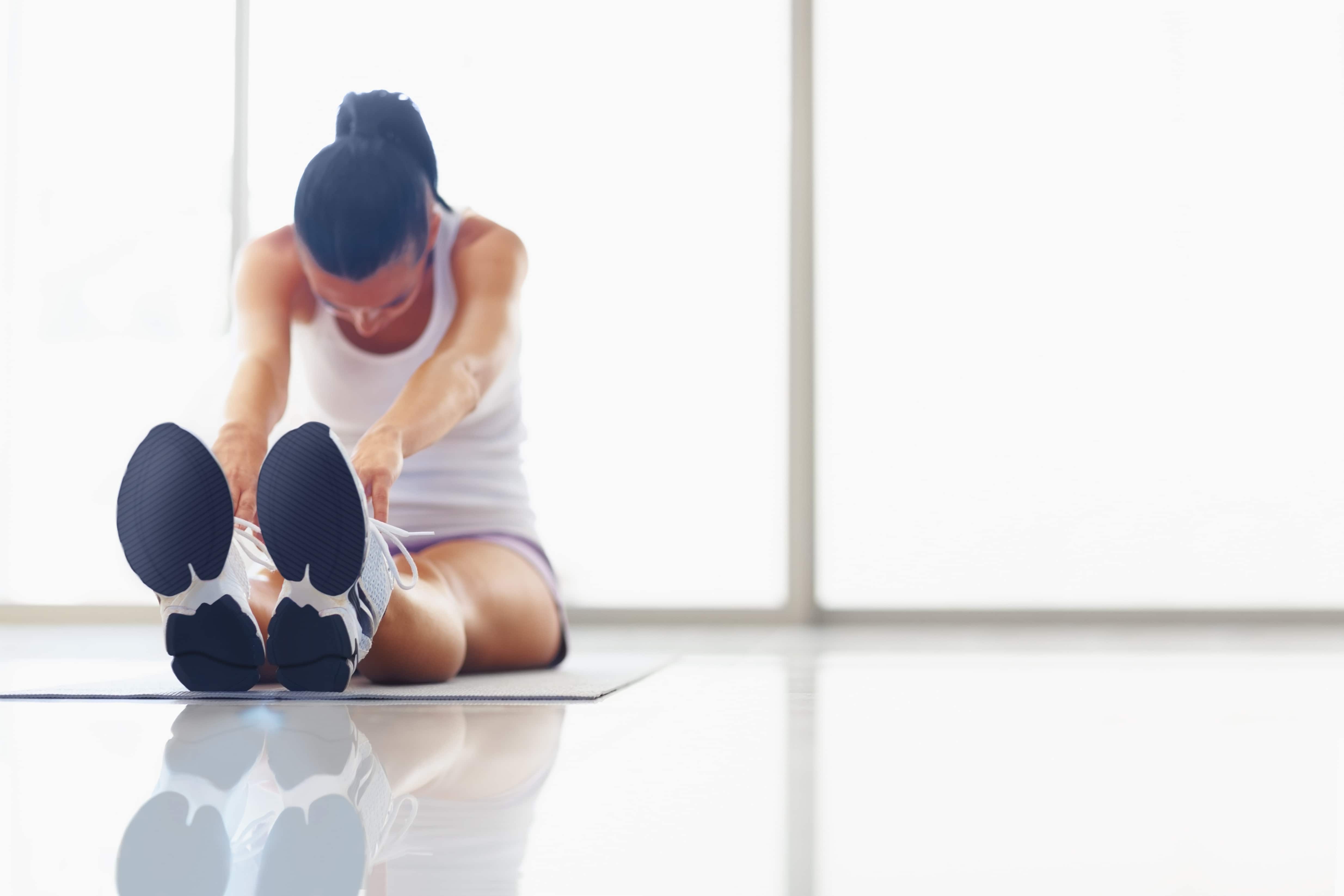
stretch_shutterstock_69000238

  1. Cueing Mantra
  1. Use a few impactful words to help you with each and every lift.  Each lift has a few phases.  Getting into the start position.  A good middle position. Performing the lift with intent. Figure out what your weaknesses or mistakes may be and focus on eliminating those.  For example, when doing a deadlift:
  2. Back. Drive. – Tighten your core muscles and increase your intra-abdominal pressure. Pull your shoulderblades back and down. Drive through the ground.
  3. Mini-Goals
  • Make minigoals that are objective, challenging and attainable but focused on each set.  Use your imagination here.  An example is a performance goal.  Setting a total-rep performance goal at the beginning for your training session may give you the drive to push the last few reps out at the end of your session.  Make sure to pick the right exercise and a rep range you can handle.  Keep lifting until you hit it!  Don’t overwhelm yourself with a million deadlifts, instead try 100 pushups as an adjunct to your chest days.
  1. Keep it slow and simple
  • Don’t rush your reps. Don’t simply go into a set to get the set done.  Take your time and make every set count.  Focus on each and every rep, your muscle and how your body feels in response to the rep.  Let’s use the bench press as an example.  After you lower the weight to hit a precise point directly above your chest.  Take a second or two, live in the tension, concentrate on your chest and press the weight back up.  Take a moment to reset the tension in your chest at the top, focus again and lower it to the same exact point.  Eventually this will become part of every exercise you do.  Stay focused, forget the work you have to do, cut the distractions out and focus on the task at hand and your training sessions will be more productive and you’ll leave the gym in a mindful state.