
Pregnancy is a transformative journey filled with joy, anticipation, and, often, physical discomfort. Many expecting mothers experience low back and hip pain, sometimes dismissing these discomforts as a natural part of pregnancy. However, persistent pain in these areas can signal underlying weaknesses or instability in the pelvic floor, often influenced by hormonal shifts, particularly the hormone relaxin. At Form & Function Markham; our Physiotherapists and Naturopaths, specialize in pelvic health solutions to help you navigate these challenges with confidence and comfort.
The Role of Relaxin and Muscle Weakness
During pregnancy, relaxin is released to loosen ligaments and joints in preparation for childbirth. While essential for delivery, this hormone can increase pelvic laxity, forcing muscles to work harder to maintain stability. As the muscles around the pelvis and lower back weaken, pain and discomfort can arise. Recognizing these symptoms as more than just “normal” pregnancy aches is crucial.
If you’re experiencing persistent hip or low back pain, consulting a pelvic health physiotherapist that focuses on Pelvic Health disorders can help you begin a tailored strengthening program to support your body during pregnancy and postpartum recovery.
Common Areas of Pain During Pregnancy
Pain and discomfort vary from person to person, but the most common areas affected include:
- Upper, mid, and lower back
- Hip and groin, particularly in the pelvic area
- Legs, especially after standing or walking for long periods
When Does Pain Typically Occur?
Certain activities or situations may trigger or worsen pain, such as:
- Prolonged sitting (e.g., at a desk or while working)
- Standing or walking for extended periods
- Activities related to taking care of your children
- Turning over in bed or staying on one side for too long
- Activities involving spreading the knees apart (e.g., getting in and out of a car or bath)
If these symptoms sound familiar, seeking guidance from a pelvic health physiotherapist locally here in Markham can provide relief and prevent further complications.
The Anatomy of the Pelvis
The pelvis is made up of key joints that can be affected during pregnancy, including:
- Sacroiliac joints (back of the pelvis): Increased movement during pregnancy can cause pain here.
- Pubic symphysis (front of the pelvis): Instability in this area can also contribute to discomfort.
Pregnancy-related changes in posture and weight distribution can disrupt the pelvis’s natural balance, leading to pain. Our Markham physiotherapy team can help you restore stability and alleviate discomfort.
Managing Pelvic Health: Strategies for Relief
Addressing the root causes of pain is essential, but there are also effective ways to manage discomfort and improve pelvic stability during pregnancy.
1. Strengthening Exercises
A well-structured exercise program can provide much-needed support to the pelvis and lower back. Key exercises include:
- Pelvic Floor Exercises (Kegels): Strengthen your core and prepare your body for delivery.
- Glute Bridges: Relieve pressure on the lower back and support the hips.
- Side-Lying Clamshells: Strengthen the gluteus medius, a critical pelvic stabilizer.
- Modified Squats: Build lower body strength while maintaining proper form.
Follow our page for detailed exercise guides tailored to prenatal and postnatal needs.
2. Manual Therapy & Self-Care Techniques
- Massage: Gentle prenatal massage or instrument-assisted soft tissue therapy can relieve tension and improve circulation.
- Ice & Heat Therapy: Ice reduces inflammation, while heat relaxes tight muscles.
- Proper Posture & Body Mechanics: Maintain good posture during sitting, standing, and lifting to prevent strain.
3. Breathing Techniques
Diaphragmatic breathing engages your core and reduces tension in the pelvic floor and surrounding muscles. These techniques also support labor and postpartum recovery. A good physiotherapist can show you the how-to for all of this
Pelvic Floor and Bladder Health During Pregnancy
The pelvic floor muscles work harder during pregnancy due to increased pressure from the baby, which can lead to:
- Stress Urinary Incontinence (UI): Leaking urine while coughing, sneezing, or laughing.
- Urgency & Frequency: Frequent bathroom trips due to the baby’s position.
- Bowel Issues: Constipation or occasional loss of bowel control.
- Pelvic Organ Prolapse: A sensation of heaviness in the vagina due to organ displacement.
Diastasis Recti: Understanding Core Health After Pregnancy
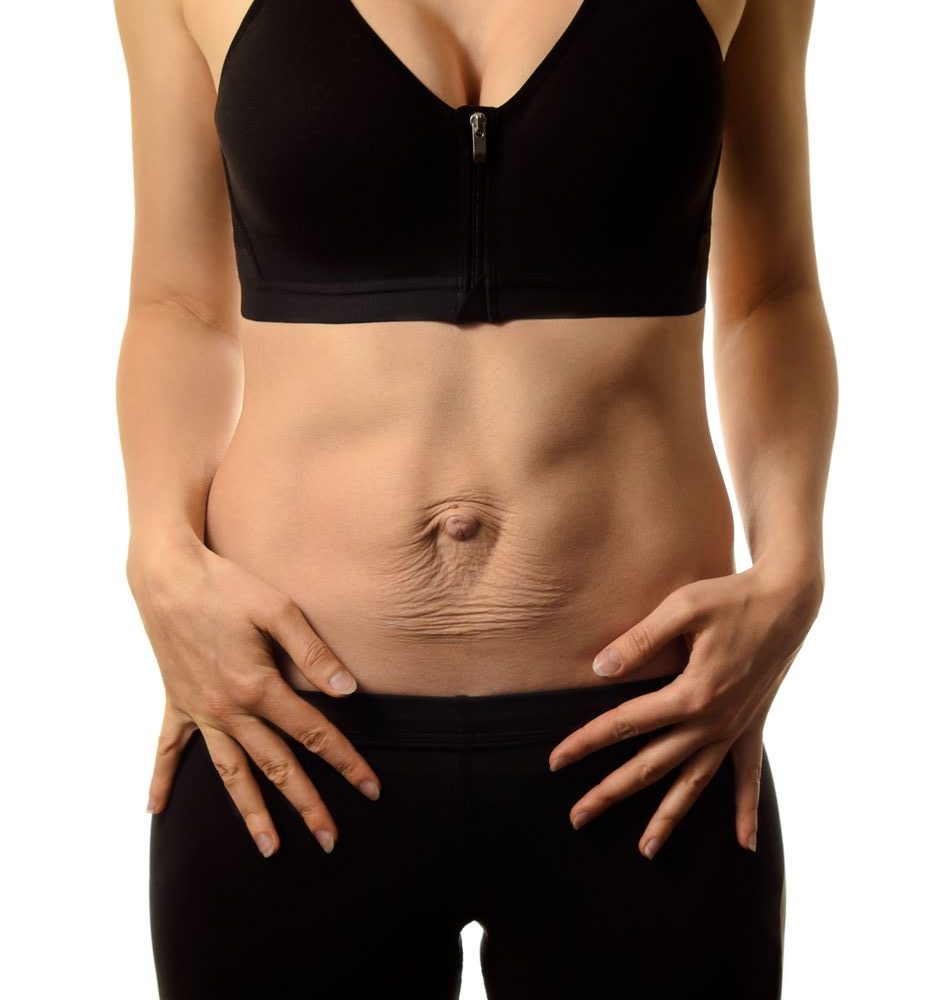
What is Diastasis Recti?
Diastasis recti is the separation of the rectus abdominis muscles along the midline due to overstretching during pregnancy.
Symptoms:
- A visible bulge or “pooch” in the abdomen
- Core weakness and lower back pain
- Pelvic instability
- Difficulty engaging core muscles
Many pregnant women experience diastasis recti, which can contribute to low back pain, instability, and urinary incontinence. Our Markham physiotherapy team can help you address this condition effectively.
Weight Gain, Posture, and Pain Relief Strategies
- Healthy Weight Gain: Aim for around 15 kg / 33lbs during pregnancy if you have a normal BMI.
- Posture Adjustments: Engage your core, tuck your pelvis slightly, and keep your shoulders back to reduce strain
Sleeping and Pain Relief
- Pain often intensifies at night due to inactivity and muscle fatigue. Try these tips:
- Gentle self-massage for 5-10 minutes daily can relieve tension.
- Place a pillow under your bump and between your knees for alignment.
- Use a duvet under the fitted sheet for extra cushioning.
- Apply heat for lower back pain and ice for pelvic discomfort.
- Gentle self-massage for 5-10 minutes daily can relieve tension.
Prenatal Nutrition and Supplementation
As per Dr. Yousef Sadat ND; Proper nutrition is essential for maternal health and fetal development. The Mediterranean Diet is highly recommended for expecting mothers. Key components include:
- Fruits and Vegetables: At least 12 servings per week.
- Lean Proteins: Especially oily fish like salmon and trout.
- Nuts and Seeds: Include these daily.
- Extra Virgin Olive Oil: Use as your primary cooking oil.
- Complex Carbs and Legumes: Great sources of fiber and energy.
Key Prenatal Supplements:
- Folic Acid: Prevents neural tube defects.
- Vitamin B6: Reduces nausea and supports brain development.
- Multiple Micronutrient Supplements (MMNs): Reduce the risk of preterm birth and low birth weight.
Final Thoughts
Proper nutrition, exercise, and pelvic health management during pregnancy are essential for the well-being of both mother and baby. At Form & Function Markham, or specialty Physiotherapists and Naturopaths are here to support you every step of the way. Whether you’re dealing with pelvic pain, diastasis recti, or postpartum recovery, our team is dedicated to helping you navigate this transformative time with confidence and comfort.
Contact us today to schedule a consultation and take the first step toward better pelvic health!
CALL US
Call to connect to our staff directly
BOOK ONLINE
Book using our online portal